For everyday shopping in Japan, three kinds of stores stand out: the supermarket, or sūpā (スーパー); the convenience store, or konbini (コンビニ); and the drugstore, or doraggu sutoa (ドラッグストア). They may all sell drinks, snacks, and household basics, but they usually serve different needs. Supermarkets are useful for ingredients and larger grocery trips, konbini for quick purchases and handy services, and drugstores for medicine, personal-care products, and often some food. Their roles overlap, and the best choice depends on what you need, where you are, and the prices or opening hours at a particular store. Understanding these everyday shops offers a practical introduction to Japanese retail—and to the way English-derived words are used in Japanese.
Three Essential Places for Everyday Shopping in Japan
Supermarkets, convenience stores, and drugstores are familiar features of daily life for many people in Japan. They differ in their usual product range, prices, size, hours, locations, and services, though individual stores can break the pattern.
Imagine a resident planning a typical week. They might buy vegetables, fish, and rice at a supermarket, pick up an onigiri and a drink at a konbini between errands, then visit a drugstore for shampoo and cold medicine. That same drugstore might also be the best place to buy a discounted snack or bottled tea.
Why Are They Called Sūpā, Konbini, and Doraggu Sutoa?
All three names are written in katakana, a Japanese script often used for words borrowed from other languages. Their forms are based on English expressions, but Japanese pronunciation and everyday usage can differ from what an English speaker expects.
- スーパー (sūpā) shortens スーパーマーケット (sūpāmāketto), from “supermarket.”
- コンビニ (konbini) shortens コンビニエンスストア (konbiniensu sutoa), from “convenience store.”
- ドラッグストア (doraggu sutoa) is an adaptation of “drugstore,” generally used without the same kind of shortening.
Shortening long borrowed expressions is common in Japanese, but that does not mean every katakana word is a phrase invented in Japan. Nor should all three terms be labeled wasei-eigo—a term used for English-like expressions created or given a distinct meaning in Japan—in exactly the same way. The retail formats have also developed in local contexts, so a Japanese drugstore, for example, may carry a wider selection of everyday goods than some English-speaking visitors expect.
Supermarkets (Sūpā): The Place for Everyday Groceries
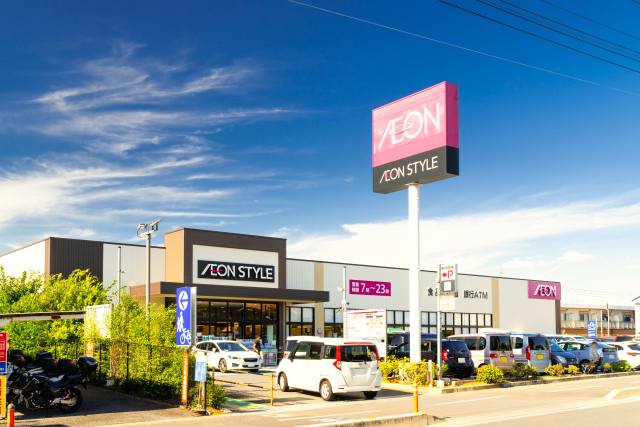
Japanese supermarkets are a go-to place for fresh vegetables, meat, fish, rice, dairy products, drinks, prepared meals, and household essentials. Many shoppers use them to stock up for several meals or days, especially when they plan to cook at home.
One particularly popular feature is the selection of sōzai (惣菜), or ready-to-eat prepared dishes. These often include fried chicken (karaage), croquettes, salads, simmered vegetables, and other side dishes. Customers can combine several items with rice to create a complete meal without cooking everything from scratch. Sōzai are especially convenient for busy workers, people living alone, and anyone looking for a quick dinner.
Store size and style vary. Some are large stores in suburban shopping areas; others are compact branches near railway stations or in residential neighborhoods. Aeon, Life, and Seiyu are familiar names, alongside many regional supermarket businesses. Prices, selection, and opening hours differ by chain and location.
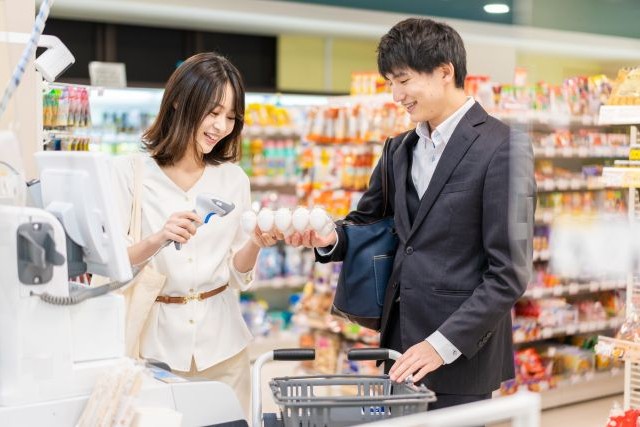
Look for weekly flyers and in-store promotions, often advertised as 特売 (tokubai), or special sales. Some supermarkets reduce the prices of prepared foods and other perishables later in the day, but the timing and availability vary. Shopping baskets and carts are common; some stores also offer loyalty cards and self-checkout lanes.
Convenience Stores (Konbini): Convenience Beyond Shopping
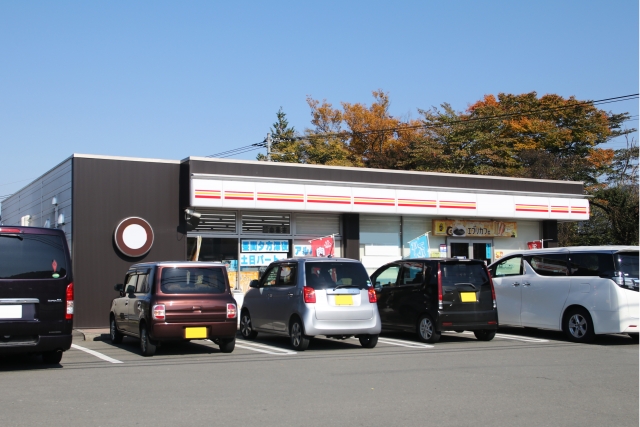
Konbini are usually smaller than supermarkets and placed where quick stops are easy: near stations, offices, residential streets, major roads, and travel routes. Their shelves commonly include drinks, snacks, onigiri (rice balls), sandwiches, bento (boxed meals), and other everyday essentials.
Another popular attraction is hotto sunakku (ホットスナック), or hot snacks, often sold near the checkout counter. Depending on the store, customers may find fried chicken, croquettes, corn dogs (called American dogs in Japanese), and other freshly heated foods. Steamed meat buns (nikuman) are another familiar option, particularly during colder months. These affordable, convenient snacks are popular for a quick bite between meals or while traveling.
Many branches also offer services such as ATMs, parcel sending or collection, printing and copying, and ways to pay certain bills or access ticketing services. The specific services depend on the chain and branch. Major brands include 7-Eleven, FamilyMart, and Lawson.
Many konbini operate 24 hours, but not all do. Hours can depend on the branch, its location, and local circumstances, so check before making a late-night trip. Their small formats and convenient locations encourage short visits throughout the day rather than one large shopping trip.
Drugstores (Doraggu Sutoa): More Than Medicine
Japanese drugstores typically sell over-the-counter medicines alongside cosmetics, toiletries, personal-care products, cleaning supplies, and baby products. Many also stock snacks, drinks, frozen foods, and other groceries. Chains and store brands include Matsukiyo Cocokara, Welcia, Tsuruha, and Sugi Pharmacy; the exact name on a storefront may differ by brand or location.
Some drugstores offer competitive prices on food and drinks, particularly during promotions, but that is not true of every store or product. If you are comparing costs, check the item price, package size, and current offers rather than assuming one store type is always cheapest.
A drugstore is not automatically a dispensing pharmacy. Some have a pharmacy counter, but a separate 調剤薬局 (chōzai yakkyoku) is a pharmacy that dispenses prescriptions. Sales of some medicines are subject to legal conditions and may require a qualified professional to provide or supervise the sale. Visitors should ask staff about a product and follow the applicable rules; prescription medicines require the appropriate prescription and procedures.
Supermarket vs. Konbini vs. Drugstore: How Do Japanese People Choose?

The table shows general tendencies, not rules for every branch. Store size, stock, prices, hours, and services vary.
| Store type | Main products | Typical purpose | General price tendencies | Typical size | Hours and other services |
|---|---|---|---|---|---|
| Supermarket | Fresh groceries, ingredients, prepared meals, household basics | Cooking at home or buying food for several days | Promotions are common; prices vary by chain and item | Small urban branches to large stores | Hours vary; may have carts, loyalty programs, or self-checkout |
| Konbini | Drinks, snacks, onigiri, sandwiches, bento, essentials | Quick meals, urgent purchases, convenient services | Convenience and small portions can affect value; compare items | Usually compact | Many are open 24 hours; some offer ATMs, parcel services, or printing |
| Drugstore | Medicine, cosmetics, toiletries, cleaning goods, and often food | Health and personal-care shopping, sometimes grocery top-ups | Promotions and food prices vary; some items are competitively priced | Small to large, depending on location | Hours vary; some branches have pharmacy counters |
A supermarket is often the natural choice for ingredients or a larger grocery trip. A konbini is handy for a quick meal, an urgent item, or a service such as parcel collection. A drugstore is especially useful for medicine and personal-care goods, and may also be a good place to compare prices on snacks or drinks.
These are broad patterns, not a universal ranking of prices or convenience. Some supermarkets have compact urban formats, konbini carry a growing range of daily necessities, and drugstores can compete directly with supermarkets on groceries.
Where Are These Stores Located in Japan?
Supermarkets can be found in residential neighborhoods, suburban shopping areas, and near railway stations. Konbini are common near stations, offices, homes, major roads, and places people pass through while traveling. Drugstores appear in city centers and shopping streets as well as suburban retail areas and roadside locations, where some branches have parking.
The mix changes with the area. A large city may offer several store types within a short walk, while a smaller town or rural area may have fewer nearby options and different opening hours. These are broad location patterns, not a guarantee that every community has every type of shop.
Shopping Tips for Visitors and New Residents in Japan
- Choose by need. Try a supermarket for ingredients, a konbini for quick purchases, and a drugstore for toiletries or medicine.
- Check hours and stock. Not every branch is open 24 hours, and smaller stores may carry fewer products.
- Compare prices and sizes. Promotions and package sizes differ, even for similar products.
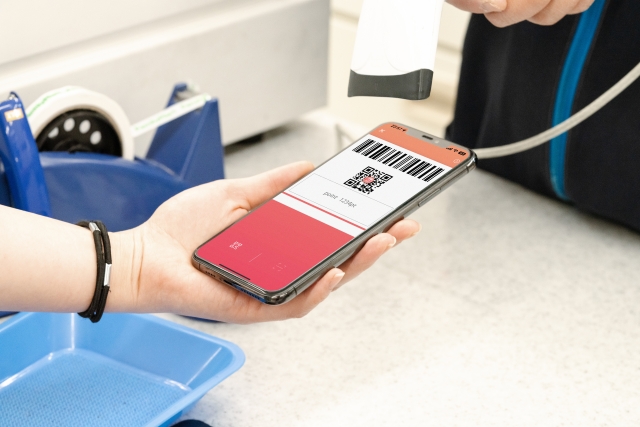
- Check payment options. Accepted cards, cashless services, and other payment methods can vary by store.
- Bring a reusable bag if useful. If you need a bag at checkout, ask: **袋はありますか (fukuro wa arimasu ka)?**—“Do you have a bag?”
- Ask about medicine. Some products have sales conditions; ask a staff member or pharmacist if you are unsure.
- Recognize useful signs. レジ (reji) means checkout; 割引 (waribiki) means discount; ポイントカード (pointo kādo) means loyalty card; and 特売 (tokubai) means special sale.
FAQ
What is the difference between a supermarket and a konbini in Japan?
Supermarkets generally offer a wider range of fresh groceries and ingredients for cooking or larger shopping trips. Konbini are usually smaller and focus on quick purchases, ready-to-eat food, and convenient services.
Are Japanese drugstores cheaper than supermarkets, and do they sell groceries?
Some drugstores have competitive prices on selected snacks, drinks, and groceries, but prices vary. Many sell food and beverages as well as medicine and personal-care items; compare the products and promotions at the branches near you.
Are all convenience stores open 24 hours? Can tourists buy medicine?
No. Many konbini are open around the clock, but some have shorter hours. Visitors can buy some nonprescription products, subject to Japan’s rules on medicine sales; ask staff or a pharmacist about any restrictions. Prescription medicines require the appropriate prescription and procedures.
Conclusion
Supermarkets, konbini, and drugstores play overlapping but distinct roles in everyday shopping in Japan. A supermarket is often suited to groceries and home cooking, a konbini to quick stops and useful services, and a drugstore to health and personal-care products—with food increasingly part of its offer. The right choice depends on the branch, the item, and the moment, rather than a fixed rule about price or convenience. These shops also show how English-derived words such as sūpā and konbini become part of everyday Japanese while taking on locally familiar meanings. Whether you are visiting or settling in, exploring all three is a practical way to get to know daily life in Japan.