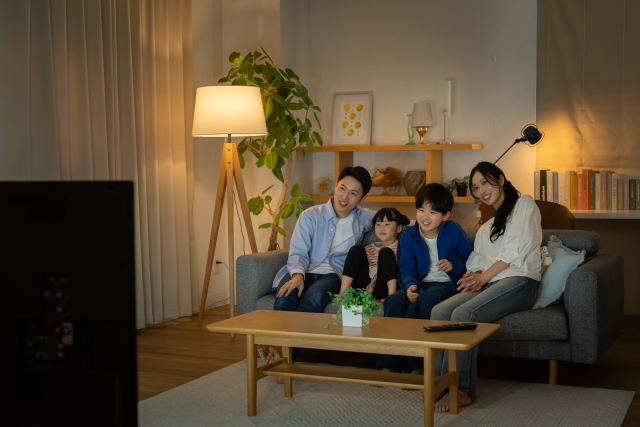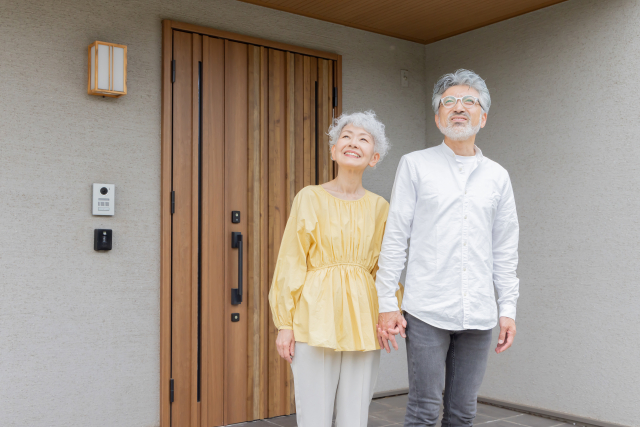
Japan’s aging population is one of the country’s most important social and economic changes. In 2024, about 29% of Japan’s residents were 65 or older, according to the Statistics Bureau of Japan. That shift affects who is available to work, how communities provide care, and how public services are funded. But “aging” does not mean that every older person is frail or dependent: many continue working, caring for family members, and participating in community life. To understand what is happening, it helps to look at the causes as well as the consequences. Japan’s experience also varies widely between large cities and rural areas, and between individuals. This guide explains the demographic trend, its effects, and the ways Japanese society is adapting.
What Does “Japan’s Aging Population” Mean?
An aging population is one in which older people make up a growing share of the total population. In Japan, official statistics commonly define “older” as age 65 and above. In 2024, the Statistics Bureau estimated that this group numbered about 36.25 million people, or 29.3% of the population.
Japan is often described as a “super-aged society,” a term commonly used for countries where at least 21% of the population is 65 or older. Japan passed that threshold in the early 2000s. The label describes a population structure, not the health or lifestyle of any particular person.
It is also useful to distinguish population aging from population decline. Aging refers to the changing balance between age groups. Population decline means the total number of residents is shrinking. Japan is experiencing both: older people account for a growing share of the population, while deaths have exceeded births for years.
Why Is Japan’s Population Aging?
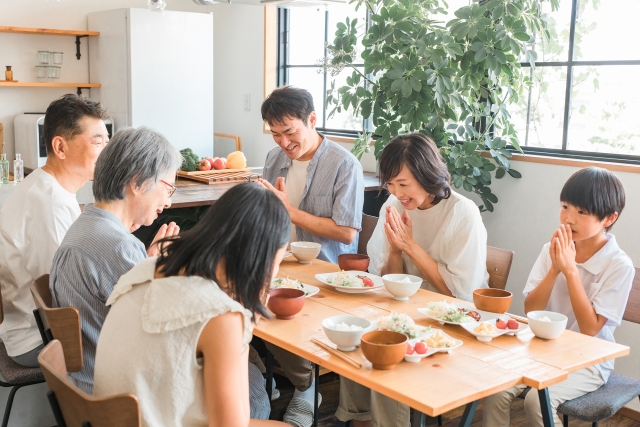
Two long-term trends are driving the change: people are living longer, and fewer children are being born.
Longer life expectancy
Improved health care, living conditions, and nutrition have contributed to longer lives in Japan. Longer life expectancy is a major social achievement, but it also means more people spend a greater number of years in older age. The effects depend on health and circumstances: some people need regular assistance, while others remain active and independent well into later life.
Low birth rates
Japan has had low fertility for decades. The Ministry of Health, Labour and Welfare reported a total fertility rate of 1.20 in 2023. This measure estimates the average number of children a woman would have over her lifetime if that year’s age-specific birth rates continued. It is not a prediction of what any individual will do.
There is no single explanation for low birth rates. Factors often discussed include the cost of raising children, job insecurity, long working hours in some workplaces, and the difficulty of balancing work and family life. Marriage and childbirth patterns have also changed. These pressures do not affect every household in the same way, and people’s decisions are shaped by personal priorities as well as economic conditions.
The postwar generation and later shifts
Japan’s age structure has been shaped by major changes since World War II, including periods of high birth rates followed by long-term declines. As large generations move into older age groups and smaller generations follow them, the share of older residents rises. The result is a demographic pattern built up over many decades, rather than a sudden change.
How Does Population Aging Affect Japan?
Workforces and local economies
With fewer younger people entering the workforce, some industries and regions face difficulty recruiting staff. The impact can be especially visible in work that requires people to be physically present, such as health care, construction, transport, and service industries. Businesses may respond by improving productivity, changing schedules, using technology, or recruiting from a wider pool of workers.
Older adults are part of that workforce. Some continue in paid employment after 65, whether by choice, financial need, or both. Japan’s employment policies encourage employers to provide opportunities for people to work into older age, though the arrangements and types of work differ between companies.
A smaller population can also mean fewer customers and less local spending, especially in places already losing residents. That can make it harder for shops, public transportation, and other services to remain viable.
Pensions, health care, and long-term care
Public pensions and health and care services are supported through a mix of contributions, taxes, and out-of-pocket payments. When the balance between working-age contributors and older residents changes, governments face pressure to fund these systems sustainably. This does not mean that pensions or care simply disappear; it means that policy decisions about contributions, benefits, eligibility, and service delivery become more consequential.
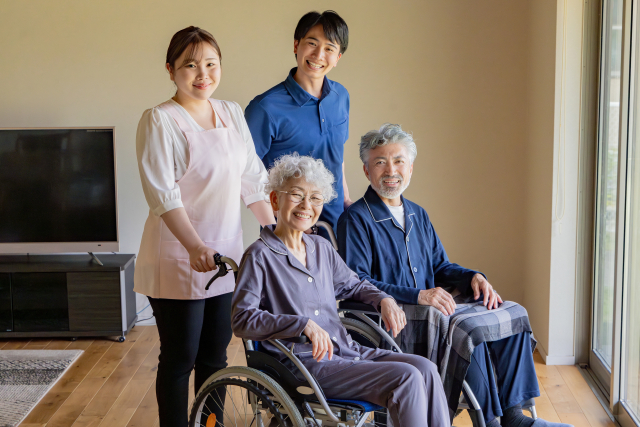
Long-term care is a particularly important part of the discussion. Japan introduced its public Long-Term Care Insurance system in 2000. It helps fund services for people assessed as needing support or care, including some home-based services and residential care. Eligibility and costs depend on the person’s age, assessment, service, and other rules.
The Japanese term kaigo (介護) means care or caregiving, often in the context of supporting an older or disabled person. Care may be provided by professionals, family members, or a combination of both. Family care arrangements vary; it should not be assumed that every older person lives with adult children or that relatives can provide all necessary support.
Rural communities and access to services
Population aging can be especially challenging in rural areas, where younger residents may move to larger cities for education or work. A community with fewer residents may struggle to maintain a local clinic, bus route, grocery store, or care service. Older residents who no longer drive may have difficulty reaching appointments or shopping, particularly when public transportation is limited.
This is not only a rural issue. Cities also have older residents who live alone or have limited mobility, and urban neighborhoods can differ greatly in access to care and transport. Local circumstances matter more than a simple rural-versus-urban divide.
Changing family and community needs
Smaller households and longer lives can increase the need for support outside the traditional family home. Communities, local governments, nonprofit organizations, and care providers all play roles, though the available services differ by area.
Japan’s population change also affects how neighborhoods are designed. Barrier-free buildings, accessible public transport, and services close to home can benefit older adults and people with disabilities, parents with young children, and others. In this way, adapting to an aging population can improve everyday access for a wider group.
How Is Japan Responding?
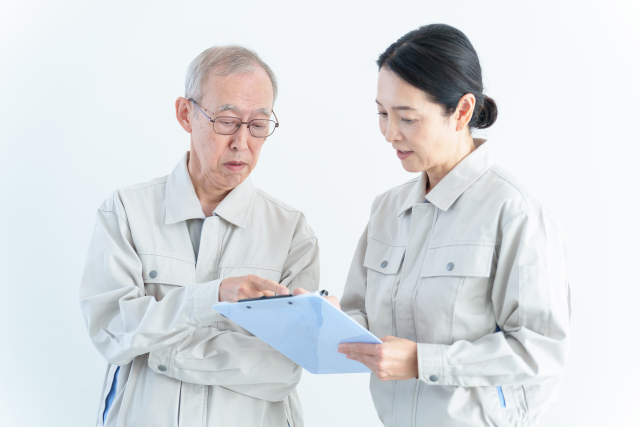
Japan’s response includes social insurance, workplace policy, local services, and technology. No single measure can reverse population aging, and each approach has limits.
Supporting care at home and in the community
The Long-Term Care Insurance system was designed to help people receive care based on assessed needs, rather than relying entirely on family members. Services can include home visits, day services, and residential care. Local governments administer the system, so service availability and practical options can vary.
The phrase community-based integrated care is used in Japanese policy discussions for coordinating health care, long-term care, prevention, housing, and daily-life support within local communities. The aim is to make support easier to access near where people live. In practice, the range of services depends on local resources and staffing.
Encouraging older people to remain in work
Employers may offer continued employment, adjust roles, or recruit older workers for suitable positions. These options can preserve experience and income, but they do not fit everyone. Health, job type, workplace conditions, and personal preference all matter. A job that is manageable for one person may not be appropriate for another.
Using technology carefully
Robotics, digital systems, and other technologies are being explored in areas such as care, communication, and workplace efficiency. Technology can help with particular tasks, but it does not replace human judgment, personal relationships, or trained care workers. Practical concerns include cost, ease of use, privacy, and whether a system meets the needs of the people expected to use it.
Addressing the conditions around family life
Policies aimed at supporting parents and making work and family responsibilities easier to combine are part of Japan’s response to low birth rates. Their results take time to assess, and demographic change is difficult to reverse quickly. Even if births rise, it takes many years before those children enter the workforce. Population policy therefore needs to address both current needs and long-term trends.
Conclusion
Japan’s aging population reflects longer lives, fewer births, and demographic changes that have unfolded over generations. It brings real challenges for workforces, pensions, health care, long-term care, and local services, but it does not reduce older people to a burden or imply that every community faces the same problems. Japan is responding through care insurance, employment measures, community support, and new technology, while also addressing the conditions that affect family life. These efforts cannot quickly reshape the country’s age structure, but they can influence how well people of different ages live and work together. Understanding both the pressures and the diversity of people’s experiences offers a clearer picture of what Japan’s demographic future means.