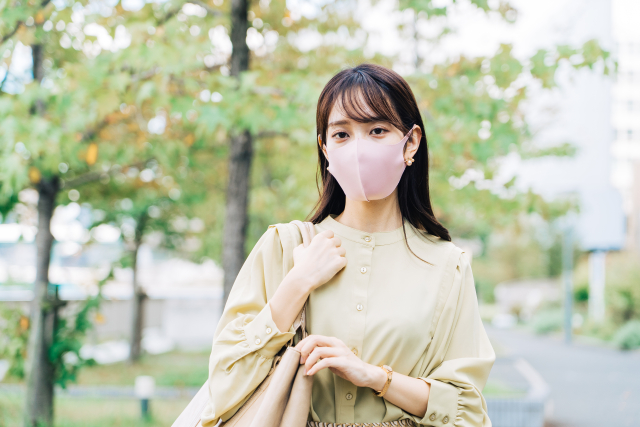
In Japan, a person wearing a mask might be trying to avoid catching a cold, keep pollen out of their nose, protect other people from an illness, or simply feel more comfortable in a crowded place. Masks became especially visible during the COVID-19 pandemic, but they were familiar in Japan long before it. There is no single reason Japanese people wear them, and a mask does not always mean that someone is sick or that they expect others to wear one. Health concerns, seasonal allergies, social courtesy, personal preference, and changing public guidance all play a part. Understanding these different reasons can help visitors make sense of a common sight—and decide what to do themselves—without assuming that everyone follows the same rules.
Why Do Japanese People Wear Masks?
To avoid spreading illness
One common reason is to reduce the chance of passing a respiratory infection to others. A person with a cold, cough, or other respiratory symptoms may wear a mask when going out, especially in a crowded indoor setting or on public transportation.
This practice reflects a considerate principle: if you are unwell but need to be around other people, try to limit the risk of infecting them. It does not mean that every sick person will wear a mask, or that a mask makes close contact risk-free. Staying home when possible and following medical advice remain important.
Masks can also be used by people who are not ill but want an extra layer of protection in busy places. How much protection a mask offers depends on factors such as its material, fit, and how it is worn. It is not a perfect barrier.
To cope with pollen allergies
Seasonal allergies are another major reason people wear masks in Japan. The Japanese term for hay fever or pollen allergy is 花粉症 (kafunshō). Pollen from trees such as cedar and cypress can cause symptoms including sneezing, a runny or blocked nose, and itchy eyes.
During pollen season, some people wear masks outdoors to reduce the amount of pollen they breathe in. They may also use glasses, take medication, or check pollen forecasts. A mask can help, but it does not eliminate exposure, especially if it fits poorly or leaves gaps.
A mask worn during this season may therefore have nothing to do with an infection. Some people also continue wearing one indoors or on public transportation after spending time outside, depending on their symptoms and preferences.
For dust, cold air, and other irritants
Masks can be useful when the air is dusty or when cold, dry air irritates the nose and throat. They may also be worn in certain workplaces where protective equipment is required. These uses are not unique to Japan, but they help explain why masks can appear in many settings and at different times of year.
Masks in Japan Before COVID-19
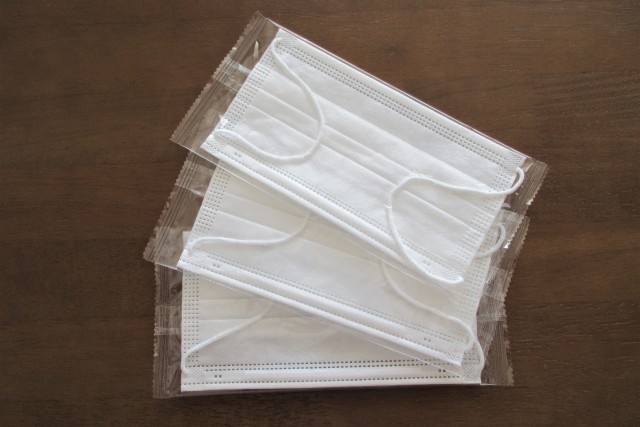
Face masks were already part of everyday life in Japan before the COVID-19 pandemic. Their use became more familiar during the 1918 influenza pandemic, when masks were used as a public-health measure in Japan and elsewhere. Over time, masks also became a readily available item for people seeking to manage seasonal allergies, colds, or exposure to dust.
There was no single event that created today’s everyday mask habit. Instead, different uses accumulated over time. Disposable masks became convenient to buy and carry, while pharmacies and convenience stores made them easy to find. For many people, wearing one when they had symptoms or during pollen season became an ordinary option rather than a special response to a crisis.
The COVID-19 pandemic greatly increased mask use and brought new public attention to it. But it did not introduce the practice to Japan. This distinction matters: a Japanese person wearing a mask today may be following a longstanding personal or seasonal habit, not making a statement about the pandemic.
Social Courtesy and Personal Choice
Wearing a mask when ill is often understood as a considerate gesture, especially in shared indoor spaces. This does not mean everyone interprets the practice identically. Expectations vary by person, setting, and circumstance. Some people choose a mask out of concern for others; others may wear one because they are anxious about catching an illness or because they simply feel more at ease.
A mask can also offer privacy or convenience. Some people say they like having their face partly covered on days when they do not want to wear makeup, or when they feel self-conscious. These are personal preferences, not universal cultural rules. It is better not to assume that someone wearing a mask is hiding their face for a particular reason.
Nor should mask use be reduced to a claim that Japanese people always prioritize social conformity. Individuals make their own decisions, and practices differ across generations, regions, workplaces, schools, and families. A crowded train, a clinic, and an outdoor park are not the same kind of setting.
Why You May See Masks in Different Places
On trains and in crowded indoor spaces
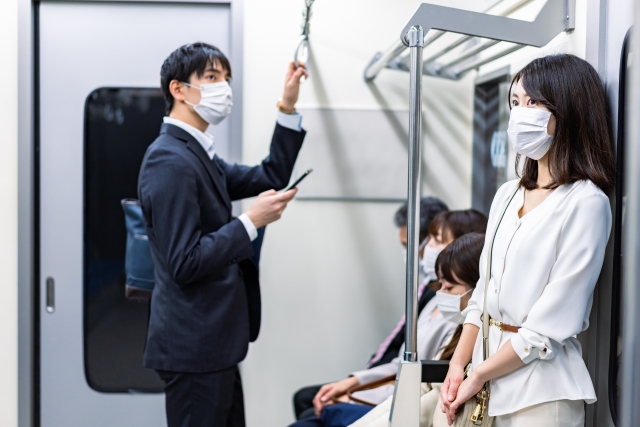
Public transportation brings many people into close contact, so some passengers choose to wear masks there. Others do not. Seeing a mask on a train does not necessarily indicate a formal rule, and seeing unmasked passengers does not mean that masks are unusual.
At clinics and hospitals
Medical facilities may have their own requests or rules, particularly in areas where patients could be vulnerable to infection. Follow posted signs and instructions from staff. Guidance can differ between facilities and may change over time.
Outdoors
Some people wear masks outdoors during pollen season or in crowded areas. Others take them off when they are outside and have more space. Neither choice reveals much about a person’s health or beliefs on its own.
What Should Visitors to Japan Do?
Visitors do not need to wear a mask at all times simply because they are in Japan. Consider wearing one if you have respiratory symptoms, are visiting someone vulnerable, or would feel more comfortable in a crowded indoor place. If you feel sick, avoid close contact where possible and consider staying in your accommodation rather than sightseeing.
Pay attention to signs at clinics, shops, event venues, or other facilities. A business or institution may ask visitors to follow specific instructions. If you are unsure, look for posted guidance or ask a staff member politely.
Masks are easy to find at drugstores and many convenience stores. Japanese packaging may use terms such as マスク (masuku, “mask”) and 花粉 (kafun, “pollen”). A mask should fit comfortably over both the nose and mouth; wearing it below the nose greatly reduces its usefulness. Dispose of used disposable masks in a trash bin rather than leaving them in public spaces.
Most importantly, avoid treating a mask as proof that someone is contagious, fearful, or following a particular political view. It may be a practical choice, and the reason may not be visible.
Common Misunderstandings About Masks in Japan
One misconception is that everyone in Japan wears a mask all the time. In reality, mask use changes with the season, the setting, public-health advice, and individual preference. It can be common in one place and less common in another.
Another is that masks are mainly a COVID-era custom. They were familiar in Japan well before the pandemic, particularly in connection with respiratory illness and pollen allergies.
Finally, a mask should not be viewed as a guarantee against infection. Its effectiveness depends partly on fit and context, and it is only one possible precaution. Hand hygiene, staying home when sick, ventilation, and medical advice may also matter, depending on the situation.
FAQ
Does a mask mean someone in Japan is sick?
Not necessarily. The person may have symptoms, be trying to avoid pollen, prefer the extra protection, or simply feel more comfortable wearing one. You cannot reliably tell the reason from the mask alone.
Do tourists have to wear masks in Japan?
There is no single answer that applies to every place and situation. Follow current signs and instructions at individual facilities, and consider wearing a mask if you have symptoms or want to reduce exposure in a crowded setting.
What does “kafunshō” mean?
花粉症 (kafunshō) means a pollen allergy, often called hay fever in English. In Japan, people may wear masks during pollen season to reduce exposure and ease symptoms.
Conclusion
Japanese people wear masks for a mix of practical and personal reasons: to reduce the spread of respiratory illness, manage pollen allergies, avoid irritants, or feel more comfortable in public. The habit predates COVID-19, although the pandemic made masks far more visible and changed how many people thought about them. There is no single rule or motive shared by everyone. If you are visiting Japan, follow any instructions at specific facilities, use a mask if you are unwell or prefer one, and avoid drawing conclusions about others from their choice. A mask is simply one everyday tool, used differently by different people.