Why do Japanese people bow? The short answer is that bowing is a flexible way to show respect, greet someone, express thanks, apologize, or acknowledge a social interaction. In Japan, a bow can serve some of the same purposes as a handshake, a nod, or a verbal “thank you” in other cultures—but its meaning depends on the situation, the relationship, and how deeply someone bows. It is not simply a sign of submission, nor does everyone bow in the same way. Understanding a few common contexts can help visitors interpret what they see and respond comfortably. You do not need to master formal etiquette to be polite: a small, natural bow or nod, paired with an appropriate greeting, is usually enough in everyday encounters.
What Does Bowing Mean in Japan?
The Japanese word for bowing is ojigi (お辞儀). It describes a range of gestures, from a brief dip of the head to a deeper bend from the waist. In conversation, an ojigi may communicate something without words, but it often accompanies speech such as arigatō gozaimasu (ありがとうございます, “thank you”) or sumimasen (すみません, “excuse me” or “I’m sorry”).
A bow’s meaning is not fixed. A person may bow to greet a neighbor, thank a shop worker, acknowledge a colleague, or apologize for a mistake. The same basic movement can therefore express different feelings depending on what is happening around it.
Bowing also helps mark social relationships. People may adjust their manner in response to factors such as age, workplace role, familiarity, or the formality of an occasion. These are tendencies, not rules that apply identically to every person or setting. Regional customs, individual habits, and the norms of a particular organization can all influence how people interact.
Common Reasons People Bow

Greeting and acknowledgment
A small bow or nod can work as a greeting, especially when people pass each other, enter a room, or begin a brief exchange. It can also acknowledge someone’s presence without requiring a long conversation.
For example, a neighbor might give a slight nod while saying “good morning.” Two coworkers who meet in a hallway may exchange a quick bow. In these cases, the gesture is often brief and relaxed rather than ceremonial.
Showing respect
Bowing can signal respect toward another person, a group, or a formal setting. At a workplace introduction, for instance, a bow may accompany a person’s name and job title. In a ceremony, a deeper or more deliberate bow may reflect the formality of the occasion.
Respect does not always mean that one person considers themselves inferior. A bow can simply recognize the other person or the relationship between them. The details of the interaction matter more than the gesture alone.
Saying thank you
People often bow while expressing gratitude. This may happen after receiving help, completing a transaction, or being welcomed somewhere. In a shop or restaurant, a staff member may bow as a customer leaves. A customer may also bow slightly when thanking someone for assistance.
The spoken words and the bow work together. A bow does not replace “thank you”; it reinforces the message through body language.
Apologizing
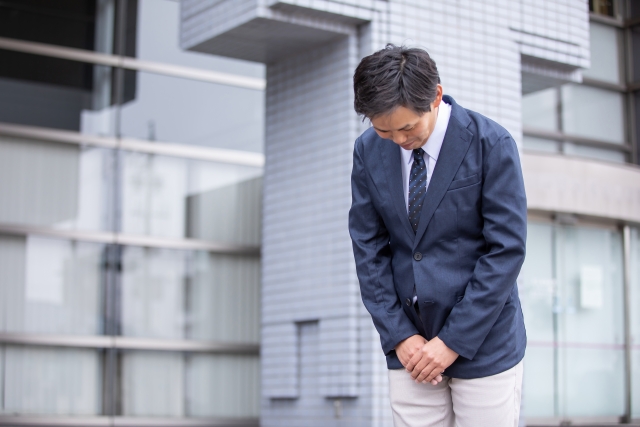
A bow may accompany an apology, with a deeper bow often used for a more serious or formal expression of regret. Someone who bumps into another person on a crowded street might make a small bow and say sumimasen. A more substantial mistake at work may call for a more formal apology.
The depth of the gesture should fit the situation. A deep bow is not automatically more sincere or appropriate. In everyday life, a clear apology and a suitable response to the problem matter more than performing a dramatic gesture.
Taking turns in conversation
Bows can also help people coordinate social interaction. A slight bow or nod may signal that someone has finished speaking, accepted an introduction, or is ready to begin a meeting. Like a verbal acknowledgment, it helps make transitions smoother.
How Deep Are Different Bows?
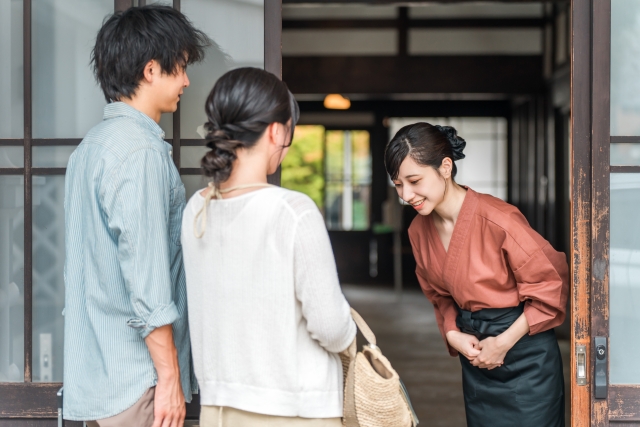
Japanese etiquette guides often describe bows by their formality and approximate depth. These labels are useful for understanding the general range, but they should not be treated as measurements everyone follows exactly.
Eshaku: a light bow
Eshaku (会釈) is a small, informal bow often used for quick greetings or acknowledgment. It may be little more than a brief dip of the head and upper body. People may use it with neighbors, acquaintances, or colleagues in passing.
Keirei: a more formal bow
Keirei (敬礼) is a more formal bow commonly associated with business introductions and polite professional interactions. It involves bending from the waist more noticeably than an eshaku. The exact depth varies with the situation and the people involved.
Saikeirei: a deep bow
Saikeirei (最敬礼) refers to a very deep, highly formal bow. It may be appropriate in some solemn situations or when making a particularly serious apology. It is not the usual greeting for everyday encounters.
These categories are broad guides, not a single rulebook for all of Japan. In ordinary interactions, people often bow naturally without deciding on a named type or exact angle.
How to Bow Politely as a Visitor
Visitors do not need to copy every gesture or worry about getting the angle precisely right. A few simple habits can help you respond comfortably.
- Follow the other person’s lead. If someone gives a small bow, a small bow or nod in return is generally natural.
- Pair the gesture with words when appropriate. A greeting, thank-you, or apology helps make your meaning clear.
- Keep it simple. In casual settings, a brief nod is often enough. A deep formal bow can feel out of place if the situation is informal.
- Avoid turning it into a performance. Exaggerated or repeated bows may draw attention rather than show respect.
- Use the bow alongside other polite behavior. Listening carefully, following local rules, and speaking courteously matter too.
There is no need to bow every time you speak with a Japanese person. Some people may shake hands, especially when meeting international visitors, and some interactions involve little or no bowing. A relaxed response is usually better than trying to follow an imagined universal script.
Where You May See Bowing in Daily Life
Bowing is visible in many public and professional settings, but its role differs from one context to another.
In retail and hospitality, employees may bow when greeting customers or thanking them. The gesture is part of a service interaction, though practices vary by business. In offices, bows may accompany introductions, meetings, or expressions of thanks. At schools and formal events, bows may be included in organized greetings or ceremonies.
Bowing also appears in religious settings, where it can have a specific meaning connected to the practice. The actions used at a Shinto shrine or Buddhist temple are not simply the same as a workplace greeting. Visitors should follow posted guidance or observe what others do, while remembering that customs can vary between places and traditions.
You may also notice people bowing while on the phone. The person on the other end cannot see the movement, but gestures can accompany speech out of habit or help someone express politeness. This is one example of how body language can remain part of communication even when it is not visible to the listener.
Historical and Cultural Background
Bowing has a long history in Japan, but it is misleading to explain today’s customs through one origin story. Practices of showing respect through posture have changed over time and have been shaped by social relationships, institutions, religious settings, and ideas about proper conduct.
Modern bowing is not a direct, unchanged survival from a single historical period. The gestures used in workplaces, shops, schools, and ceremonies are part of contemporary social life, and formal rules have been taught and adapted in different settings. Religious bows, meanwhile, belong to particular forms of worship and should be understood in that context.
It is also useful to avoid treating bowing as uniquely Japanese or as proof that Japanese society is uniformly formal. Many cultures use gestures to greet, thank, or show respect; the gestures and their meanings differ. In Japan, bowing is a familiar and adaptable part of communication, but the way people use it varies by person and circumstance.
Does a Bow Mean Someone Is Submitting?
Usually, no. Although a deep bow can communicate strong deference or serious regret in a particular situation, many bows are simply greetings, acknowledgments, or expressions of thanks. A quick nod to a neighbor is not a declaration of inferiority.
It is better to read a bow in context than to assign it one dramatic meaning. Consider what was said, how formal the setting is, how the other person behaves, and whether the bow is brief or deliberate. Even then, it is not always possible to infer someone’s precise feelings from body language alone.
Frequently Asked Questions
Should I bow back if someone bows to me?
A small bow or nod is a polite, comfortable response in many situations. You can also greet the person verbally. There is no need to match the exact depth of their bow.
Do Japanese people bow instead of shaking hands?
Not always. Bowing is common, but handshakes also occur, particularly in international or business settings. Follow the other person’s cue rather than assuming only one form of greeting is acceptable.
Is a deeper bow always more respectful?
Not necessarily. A deeper bow can be more formal or signal a more serious expression of respect or apology, but using one in a casual situation may feel unnatural. The appropriate gesture depends on context.
Conclusion
Japanese people bow for many reasons: to greet, show respect, express gratitude, apologize, or acknowledge another person. The gesture’s meaning depends on its depth, the words that accompany it, and the situation in which it occurs. Everyday bows are often small and informal, while deeper bows tend to appear in more formal or serious contexts. For visitors, the most useful approach is to observe, respond naturally, and avoid treating bowing as a rigid ritual or a sign of submission. A simple nod or light bow, offered with a genuine greeting or thank-you, is usually a considerate way to take part in the interaction.