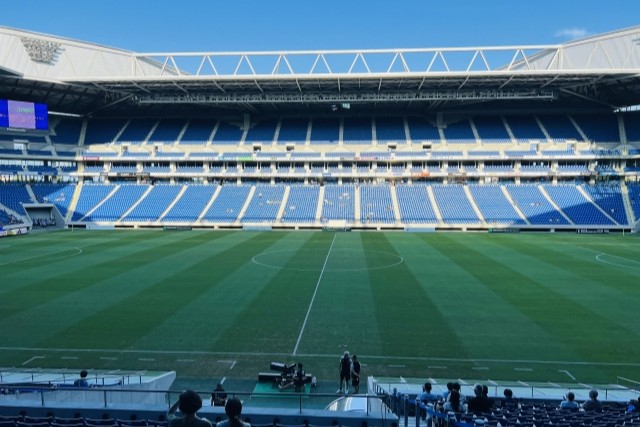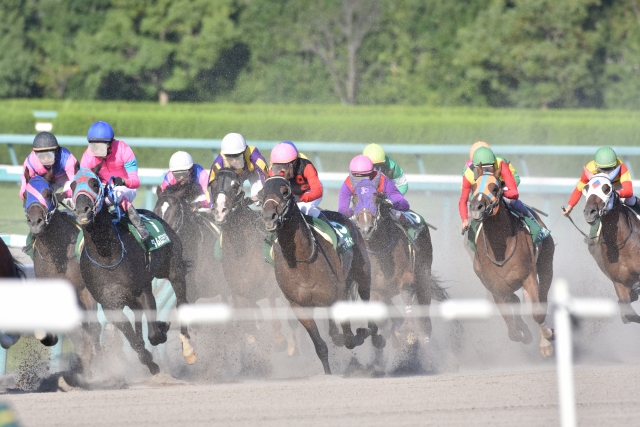
Japan has four forms of officially authorized public racing: horse racing, keirin bicycle racing, boat racing and Auto Race motorcycle racing. Together, they are known as kōei kyōgi (公営競技), or “public sports competitions.” They are regulated under separate laws and operated by public bodies or organizations working with local governments. Visitors can often watch races in person, whether or not they choose to bet, but betting is restricted to people aged 20 or older and practical eligibility rules apply.
Each sport has its own pace, tactics and atmosphere. Horse racing may be familiar to international visitors, while Japanese keirin differs from its Olympic counterpart. Auto Race is also distinctive, featuring specialized motorcycle racing on oval tracks. This guide explains how the four sports work, how to visit a venue and what tourists should know about betting.
What Is Public Gambling in Japan?
The term kōei kyōgi refers to four legal forms of wagering on races: horse racing (keiba, 競馬), keirin (keirin, 競輪), boat racing (kyōtei, 競艇), and Auto Race (ōtorēsu, オートレース). Each has its own legal framework and authorized operators. Depending on the sport, races are conducted by a national organization, local governments or organizations connected to them, under public oversight.
Revenue from public racing supports public and local purposes. The details differ by sport and operator, but proceeds can contribute to local government finances and designated public programs. This is one reason these activities are treated differently from unauthorized private gambling.
Public racing is not the same as a casino, pachinko or a sports lottery. Casinos fall under a different legal framework, while pachinko is a privately operated amusement business with its own regulations. Sports lotteries such as toto are a separate product: participants predict sports results rather than betting on a live race. These distinctions matter because the rules, operators and ways of participating are not interchangeable.
Horse Racing (Keiba)
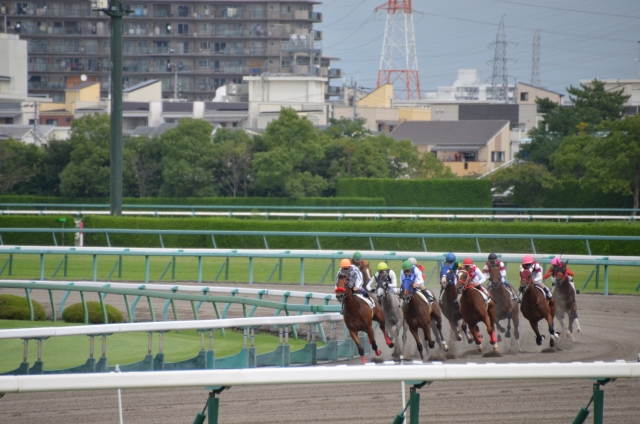
Modern organized horse racing in Japan developed during the nineteenth century, as racing clubs and tracks appeared in port cities and other areas. The Japan Racing Association (JRA) was established in 1954 and operates central horse racing. Alongside JRA racing, local horse racing is organized by local governments and associations of local governments. The National Association of Racing (NAR) supports and oversees aspects of local racing, including horse registration and the licensing of jockeys and trainers.
For visitors, the main distinction is that JRA and local races have different operators, schedules and venues. JRA holds major races at tracks around Japan, while local racing takes place at regional tracks and can have a closer connection to the surrounding community. Both are forms of public racing, but a race listed on one organization’s calendar may not appear on the other’s.
Well-known JRA events include the Japan Cup, the Arima Kinen and the Tokyo Yushun, also called the Japanese Derby. Major race days can draw large crowds, while other meetings may feel quieter. At a track, visitors can watch horses in the paddock before a race, study the race card and follow the action from the stands or designated viewing areas. The experience combines sport with a day out: people may come to watch the horses, enjoy the venue or place a small wager.
Common horse-racing tickets include tanshō (単勝), a bet on the winner, and fukushō (複勝), which pays if a selected horse finishes within the qualifying places. More complex choices include umaren (馬連), selecting the first two finishers in either order, and umatan (馬単), selecting them in exact order. Sanrenpuku and sanrentan involve predicting the first three horses, respectively in any order or exact order. Available options and rules can depend on the race.
Keirin (Bicycle Racing)

Keirin began in Kokura, Fukuoka Prefecture, in 1948. In Japanese keirin, cyclists race on a banked track, but the event is not simply a continuous sprint. Riders often form tactical groups called lines (ライン), usually cooperating with cyclists from the same region or with whom they have close connections. Positioning, timing, and decisions about when to accelerate are central to the tactics.
In Japanese keirin, a lead cyclist known as a sentō yūdō senshu (先頭誘導選手) sets the pace during the early stages before leaving the track. Riders then compete for position and accelerate toward the finish. Japanese keirin differs from Olympic keirin, which uses a motorized pacer and follows a shorter race format without the same tactical line formations. Although the two share a name and a cycling heritage, their racing styles are quite different.
Keirin races take place at dedicated velodromes across Japan, including outdoor and indoor venues. The crowd follows not only who is ahead but also how the riders arrange themselves and when a line makes its move. Some venues and events offer an accessible introduction to the sport, though race cards and commentary may be mainly in Japanese.
Keirin has its own betting terminology. For example, nishatan (2車単) predicts the first two riders in their exact finishing order, while nishafuku (2車複) predicts the top two riders in either order. More complex bets include sanrentan (3連単) and sanrenpuku (3連複), which involve predicting the top three riders in exact order or in any order, respectively.
Boat Racing (Kyōtei)
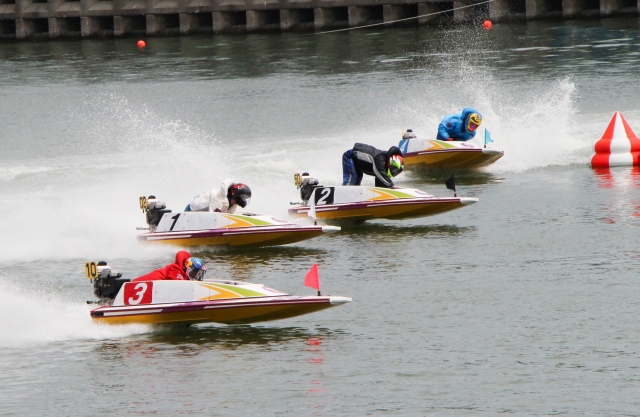
Japanese boat racing, traditionally known as kyōtei (競艇), began in 1952 at Omura in Nagasaki Prefecture. Each race normally features six motorboats competing on a water course, making it the only one of Japan’s four public racing sports held on water. A typical race consists of three laps.
The boats are small, fast and close together, so a race can be easy to follow even for newcomers. Starts and positioning around the turns are important, and a racer’s ability to handle the boat can shape the outcome. The sound of the engines and the sight of the boats cutting through the water give the sport a different atmosphere from track racing.
As in the other sports, betting choices range from simple to complex. A visitor may select the winner or predict the first two or three boats, with some tickets requiring an exact finishing order. Terms and combinations are displayed at venues, but Japanese-language instructions may take some getting used to. Watching from the stands without placing a bet is also an option.
Auto Race (Motorcycle Racing)
Auto Race is motorcycle racing—not car racing. It began in Funabashi, Chiba Prefecture, in 1950 and is run on oval tracks. Riders use specialist racing motorcycles, and the competition is organized around track position, speed and control.
One distinctive feature of Auto Race is its handicap system. In handicap races, riders start from different positions based on their abilities, with stronger competitors generally starting farther behind. The starting positions are adjusted in 10-meter increments to create more competitive races. However, some events use an open-race format, in which all riders start from the same line.
At a venue, spectators can watch motorcycles circle the track at close range. The format is direct and energetic, but race cards and betting information may be unfamiliar to international visitors. Tickets commonly let bettors select the winner or predict the order of the top finishers. The available options are specific to the sport, so check the machine instructions or ask venue staff for help.
Can Foreign Tourists Bet on Japanese Public Racing?
Nationality alone is not generally a barrier to buying a legal betting ticket in person. However, buyers must be at least 20 years old and must follow the relevant laws, venue rules and ticket-purchase requirements. Staff or ticket machines may not be able to provide detailed assistance in English, so visitors should take time to understand the rules before buying.
Online betting is more complicated. Registration may require identity checks, an eligible Japanese bank account and compliance with other operator conditions. A short-term visitor should not assume that they can open an account, and the rules differ by service. Online betting from outside Japan may be prohibited; do not try to work around location or account restrictions. Check the operator’s official terms and the laws that apply where you are.
How to Watch a Race and Buy Betting Tickets
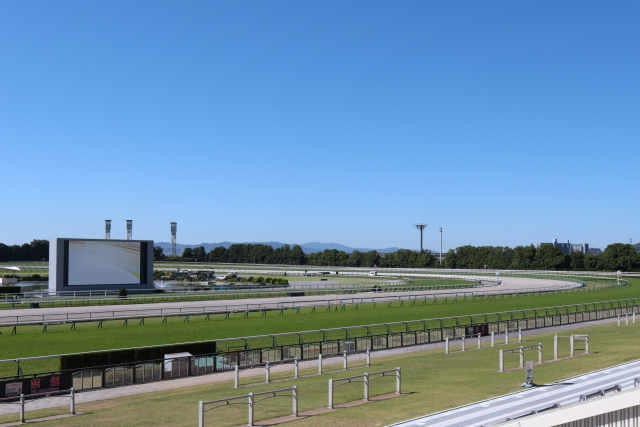
Start by checking the official schedule for the sport and venue you want to visit. The JRA and NAR publish horse-racing information, while keirin, boat racing and Auto Race each have official websites with calendars and venue details. Confirm the race date, admission arrangements and any restrictions before setting out; schedules and visitor procedures can change.
At many venues, visitors can buy a paper ticket by marking a betting slip and feeding it into a ticket machine. A slip typically asks you to select the race, type of bet, competitor numbers and amount. Machine layouts and paper forms differ by sport, and English support is not guaranteed. If you are unsure, watch how the process works first or ask a staff member before putting money in.
Simple tickets include win and place bets, where offered. More involved tickets ask you to predict two or three finishers, sometimes in exact order. Japanese names for these bets—such as tanshō and sanrentan—are worth recognizing, but do not assume that every sport offers precisely the same choices. Minimum stakes commonly start at ¥100, though the amount and available options should be confirmed at the venue or on the ticket machine.
If a ticket wins, follow the venue’s instructions for collecting the payout, usually at a designated machine or counter. Keep the ticket safe and check the official procedure, since a lost or damaged ticket can create problems. You can also attend simply to watch a race; buying a ticket is not required.
Practical Tips and Responsible Gambling
Japanese is the main language used on many race cards, ticket machines and public announcements. Learning a few terms—such as tanshō for a win bet—or using a translation app can help, but machine instructions may still be difficult to navigate. Check whether the venue offers English information before your visit.
Bring a payment method accepted by the venue. Cash is useful for ticket machines, and you should not count on being able to pay by card or use mobile payment for wagering. Follow venue rules, including any restrictions on where visitors may stand, photograph or enter. While betting tickets may only be purchased by people aged 20 or older, younger visitors may be allowed to attend races as spectators. Admission rules vary by venue, so families should check the official website before visiting.
Set a small spending limit before you arrive and treat any wager as money you may lose. Racing outcomes are uncertain; a ticket is not a reliable way to make money. Use only official venues and authorized services, and avoid websites that offer unauthorized gambling or promise guaranteed results.
FAQ
Can foreigners legally bet in Japan?
Foreign nationality alone is not generally a barrier to buying tickets at an authorized venue. You must be at least 20 and meet the applicable rules. Online services have additional conditions, so check directly with the operator.
How old must you be to buy betting tickets?
You must be at least 20 years old to buy tickets for Japan’s public racing sports. Venue rules also apply.
Can I watch without betting?
Yes. You can attend a race as a spectator without buying a betting ticket. Check the venue’s official information for admission procedures and any visitor rules.
Can tourists bet online in Japan?
Do not assume so. Online registration may require an eligible Japanese bank account, identity verification and other conditions, and short-term visitors may not qualify. Betting online from outside Japan may be prohibited.
Conclusion
Horse racing, keirin, boat racing and Auto Race offer four distinct ways to experience public sport in Japan. From horse-racing traditions and tactical cycling to six-boat starts and handicap motorcycle races, each has its own rules and spectator culture. They are also part of a regulated system whose proceeds support public purposes, rather than simply being four versions of a casino.
For international visitors, the easiest first step is often to choose a venue, check its official schedule and go to watch. If you decide to bet, confirm the rules, age requirements and available ticket types before spending money. Information and eligibility can differ by operator, so rely on official sources rather than assumptions—and enjoy the races responsibly.