When you think of Japanese entertainment, you might picture anime, J-pop, or traditional performing arts. But another important part of modern Japanese popular culture is owarai (お笑い), the world of Japanese comedy.
Japanese comedians, known as owarai geinin (お笑い芸人), are familiar faces on television, in theaters, on streaming platforms, and across social media. They do much more than tell jokes. Many host variety shows, appear in dramas, and entertain audiences through their quick reactions, improvisation, and distinctive personalities.
From the fast-paced dialogue of manzai to the imaginative situations of sketch comedy, Japanese humor takes many different forms.
This guide introduces the main styles of Japanese comedy, explains how comedians build their careers, and explores why they have become such an important part of Japanese entertainment.
What Is Owarai?
The Japanese word owarai (お笑い) comes from warai (笑い), meaning “laughter.” In everyday Japanese, owarai commonly refers to comedy entertainment, particularly performances and television programs featuring professional comedians.
The performers themselves are often called owarai geinin, or simply geinin (芸人).
Japanese comedy includes wordplay, physical humor, observational jokes, absurd situations, and performances built around the relationship between two or more comedians.
Some jokes are easy to understand regardless of language, while others rely on Japanese expressions, cultural references, or familiar social situations.
Learning about owarai can therefore offer an entertaining introduction to the language and everyday culture of Japan.
The Different Styles of Japanese Comedy
Japanese comedy is not limited to a single performance style. Several forms have developed their own traditions and audiences.
Manzai (漫才): Fast-Paced Comedy Dialogue
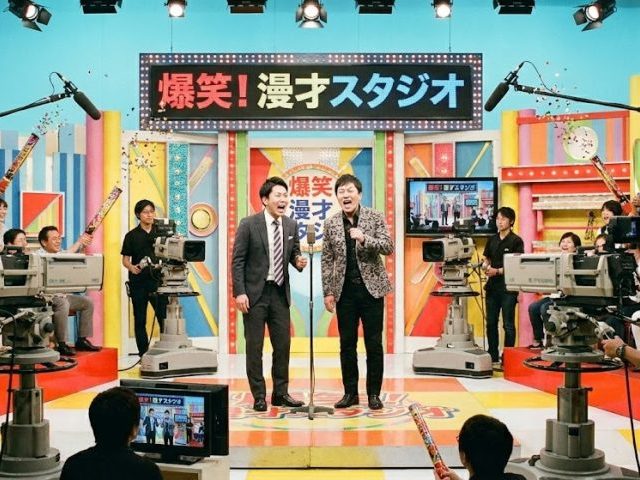
Manzai is one of Japan’s best-known forms of comedy.
It typically features two performers engaging in fast-paced comic dialogue, often built around misunderstandings, wordplay, and contrasting personalities.
Many manzai duos use two complementary roles:
- Boke (ボケ): The performer who deliberately says something absurd, makes an unexpected mistake, or creates a humorous misunderstanding.
- Tsukkomi (ツッコミ): The performer who responds to the boke, often pointing out the absurdity with a quick remark.
For example, the boke might confidently make a ridiculous statement, while the tsukkomi immediately questions it or corrects the mistake.
The humor often comes from the timing and rhythm of their exchanges.
Some routines include playful physical gestures, such as a light tap on the head or shoulder, but verbal reactions are central to the performance.
Although these roles are commonly associated with manzai, they are not always rigid. Some duos switch roles, and others develop more unusual comedic styles.
Konto (コント): Japanese Sketch Comedy
Konto is a Japanese term for sketch comedy. The word comes from the French conte, but in Japanese entertainment it generally refers to short comedic performances built around fictional situations or characters.
Unlike manzai, which usually emphasizes dialogue between performers, konto typically involves comedians acting as fictional characters in humorous situations. Costumes, props, and staged settings may also be used, depending on the performance.
A sketch might take place in an office, a restaurant, a school, or an entirely imaginary world.
The humor can emerge from everyday misunderstandings, exaggerated personalities, unexpected developments, or increasingly absurd situations.
Konto can be performed by a duo, a larger group, or even a single comedian.
Pin Geinin (ピン芸人): Solo Comedians
Pin geinin refers to Japanese comedians who perform independently rather than as part of a comedy duo or group.
Unlike manzai comedians, who typically perform in pairs, pin geinin entertain audiences on their own using a variety of comedic styles.
Their performances may include stand-up-style routines, storytelling, impersonations, physical comedy, or solo sketches (hitori konto).
Because they perform alone, their individual personalities, creativity, and ability to engage an audience play particularly important roles.
Some of Japan’s most recognizable comedians have built successful careers as pin geinin, developing distinctive characters and unique comedic styles.
Comedy Competitions in Japan
Comedy competitions are an important part of Japan’s entertainment industry.
They provide opportunities for comedians to demonstrate their skills, gain recognition, and reach audiences beyond their existing fan bases.
M-1 Grand Prix (M-1グランプリ)
The M-1 Grand Prix is one of Japan’s most famous comedy competitions.
It focuses on manzai and brings together eligible comedy duos and groups competing through multiple rounds.
The final is a major television event, and winning or performing well can significantly increase a comedian’s public profile.
The competition is particularly useful for understanding the importance of timing, originality, and audience reactions in Japanese manzai.
King of Conte (キングオブコント)
King of Conte is a major competition dedicated to sketch comedy.
Unlike M-1, which focuses on manzai, this contest emphasizes comedic performances built around characters, acting, and fictional situations.
Contestants present original sketches and are judged on their performances.
The competition highlights the creativity and variety of Japanese sketch comedy.
R-1 Grand Prix (R-1グランプリ)
The R-1 Grand Prix is a competition for solo comedians.
Participants perform without a comedy partner, using styles such as monologues, character-based humor, physical comedy, or solo sketches.
Together, these three competitions demonstrate the range of skills and performance styles found in Japanese comedy.
More Than Just Jokes: The Role of Comedians in Japanese Media
In Japan, comedians are highly visible across television and other entertainment platforms.
Their work is not limited to performing comedy routines.
TV Show Hosts
Many Japanese variety shows (barieti bangumi, バラエティ番組) feature comedians as hosts or regular guests.
These programs may include games, interviews, travel, food, quizzes, discussions, and humorous challenges.
Comedians often contribute through quick reactions, improvisation, and their ability to create entertaining conversations.
Some become widely recognized television personalities whose work extends far beyond their original comedy routines.
Acting and Other Entertainment
Many comedians also appear in television dramas, films, commercials, and stage productions.
Some write books, create music, direct productions, or develop content for online platforms.
Their experience performing in front of audiences can help them adapt to different forms of entertainment.
Cultural Influence
Popular comedians can influence everyday expressions, television trends, and public conversations.
Catchphrases from comedy performances sometimes spread through schools, workplaces, and social media.
Comedians may also use humor to comment on familiar situations, current events, or aspects of daily life.
However, their influence varies considerably, and not every comedian takes on the role of a social commentator.
Why Are Comedians So Important in Japan?
Japanese comedy is closely connected to everyday entertainment and popular culture.
Many comedians appear regularly on television, where their personalities become familiar to audiences over time.
Comedy also provides a way to explore everyday situations, social expectations, misunderstandings, and shared cultural references.
A joke about an awkward conversation, an exaggerated character, or an unexpected response can be entertaining because audiences recognize something familiar in the situation.
At the same time, Japanese humor is not a single uniform style. Different generations, regions, and individuals enjoy different kinds of comedy.
Some audiences prefer traditional manzai, while others enjoy surreal sketches, improvisation, physical comedy, or internet-based humor.
Understanding Japanese comedy therefore means recognizing its diversity rather than treating it as a reflection of one fixed national personality.
How Can You Watch Japanese Comedy?
If you want to explore Japanese comedy for yourself, there are several ways to get started.
Japanese Variety Shows
Television variety programs are a common introduction to Japanese comedians.
Many feature well-known comedy duos, solo performers, and entertainers participating in discussions, games, or challenges.
Even when the dialogue is difficult to follow, facial expressions, reactions, and visual humor can make some segments enjoyable.
Comedy Theaters
Live comedy theaters offer opportunities to experience manzai and sketch comedy directly.
Yoshimoto operates comedy venues, including Namba Grand Kagetsu in Osaka, a city with a particularly strong comedy tradition.
Live performances allow audiences to experience the timing, atmosphere, and interaction between comedians and spectators.
Official Online Videos
Some comedians, entertainment agencies, and television broadcasters publish clips or original content through official online channels.
YouTube and other video platforms can be useful starting points, although availability, subtitles, and regional restrictions vary.
If you are learning Japanese, short comedy clips can also provide opportunities to practice listening to informal speech, regional dialects, and conversational expressions.
However, comedy often depends on cultural references and wordplay, so even advanced learners may find some jokes difficult to understand.
Conclusion
Japanese comedy, or owarai, is much more than a collection of jokes.
From the rapid exchanges of manzai to the imaginative performances of konto, Japanese comedians use language, timing, acting, and observation to entertain audiences.
Their influence extends into television, film, online media, and everyday popular culture.
Comedy competitions such as the M-1 Grand Prix, King of Conte, and R-1 Grand Prix also provide opportunities to discover new performers and appreciate different comedic styles.
For anyone interested in Japanese entertainment, exploring owarai can be a fun and rewarding way to learn more about the country’s language, humor, and contemporary culture.
The next time you watch a Japanese variety show, pay attention to the comedians. Behind their quick jokes and exaggerated reactions, you may discover a fascinating world of creativity, performance, and cultural expression.