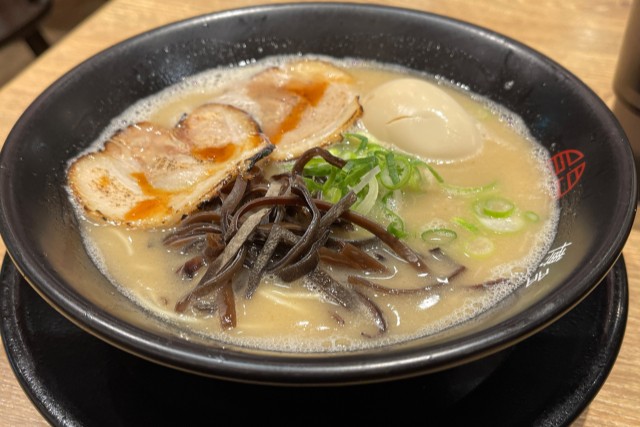
Japanese ramen is not one dish with a few optional toppings. Across the country, cooks have developed bowls with distinct broths, seasonings, noodles, and local histories. Sapporo is known for hearty miso ramen, Hakata for thin noodles in rich pork-bone broth, and Kitakata for soy-seasoned soup with broad, wavy noodles. These are useful starting points, but regional ramen is not a fixed rulebook: restaurants adapt recipes, and styles overlap. Understanding a few well-known bowls makes it easier to choose what to try—and to notice how ingredients work together. This guide explains the main elements of ramen, introduces notable regional styles, and offers practical tips for ordering and finding a bowl that suits your tastes.
How to Understand a Bowl of Ramen
Ramen styles are often described by their seasoning or broth, but a bowl is a combination of several elements. Two restaurants in the same region can make noticeably different ramen, while bowls from distant areas may share ingredients.
Broth and seasoning are not the same thing
The soup base, or broth, may be made with pork bones, chicken, seafood, vegetables, or a combination. The concentrated seasoning added to it is called tare (たれ). Common tare flavors include:
- Shoyu (醤油): soy sauce
- Shio (塩): salt
- Miso (味噌): fermented soybean paste
These words usually describe a ramen’s seasoning, not every ingredient in its broth. A shoyu ramen, for example, may contain a broth made from chicken, pork, fish, or several ingredients. A bowl seasoned with shio is not necessarily vegetarian.
Noodles and toppings complete the style
Noodles vary in thickness, shape, and texture. Thin, straight noodles are strongly associated with Hakata ramen, while Kitakata is known for broader, wavy noodles. Some shops let diners adjust firmness or request extra noodles.
Toppings can include sliced pork called chashu (チャーシュー), green onions, bamboo shoots, seaweed, or a seasoned egg. Regional traditions influence what is common, but toppings also vary from shop to shop.
Hokkaido’s Three Best-Known Ramen Cities
Hokkaido offers a useful illustration of regional variety. Sapporo, Hakodate, and Asahikawa each have a widely recognized ramen identity, though no single recipe represents every restaurant in any city.
Sapporo miso ramen
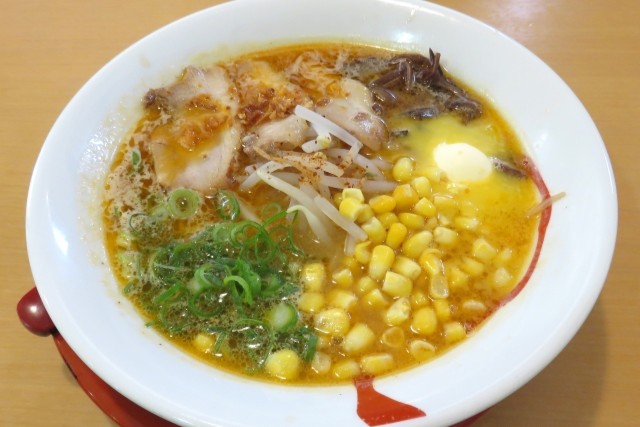
Sapporo is particularly associated with miso ramen. A typical version has a rich, warming soup, medium-thick noodles, and toppings such as bean sprouts, cabbage, minced or sliced pork, and corn. Some shops finish the soup with oil or lard, which helps the bowl stay hot and adds richness.
Miso ramen became closely tied to Sapporo in the postwar period, as local ramen shops developed a style suited to the city’s cold winters. Today, it is one of Japan’s most recognizable ramen varieties. It is a good choice if you want a savory, substantial bowl rather than a light soup.
Hakodate shio ramen
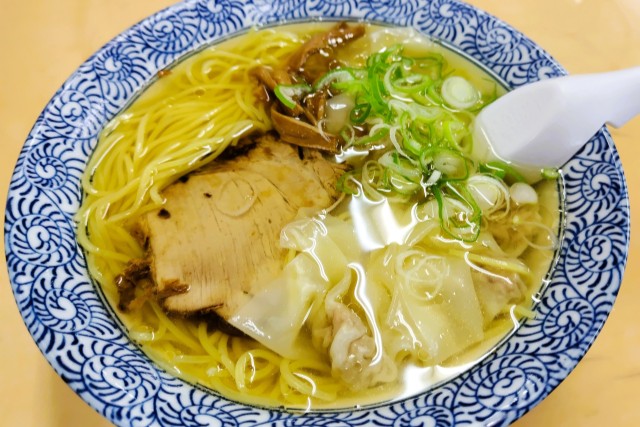
Hakodate is often associated with shio ramen. Its soup is commonly clear and lighter in appearance than Sapporo’s miso broth, with a clean, savory flavor. The noodles are often straight and relatively thin, though recipes vary. A clear soup is not necessarily a low-calorie or meat-free soup; it may still be made with animal-based stock.
Asahikawa shoyu ramen
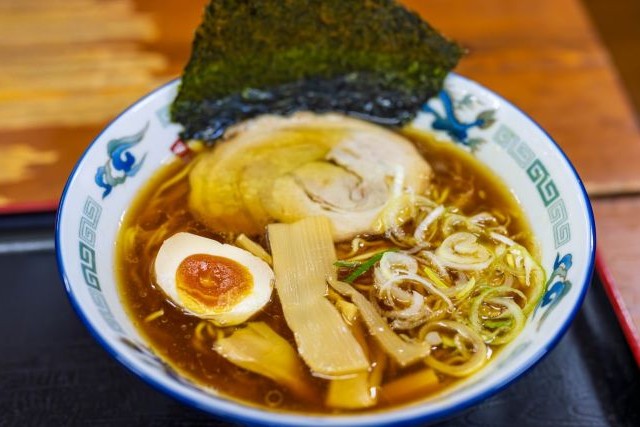
Asahikawa is known for soy-seasoned ramen that often combines different types of stock, such as pork, chicken, or seafood. A layer of oil on the surface is a familiar feature of many versions, helping the soup retain heat in Hokkaido’s cold climate. The result can be more robust than a delicate clear shoyu soup.
Taken together, these three cities show why “Hokkaido ramen” is not a single flavor. Miso, salt, and soy-seasoned bowls can all be associated with the same island.
Pork-Bone Ramen in Kyushu
Kyushu, in southwestern Japan, is strongly associated with tonkotsu (豚骨) ramen—soup made by simmering pork bones. The broth can be creamy and opaque, but tonkotsu is not identical everywhere.
Hakata ramen: thin noodles and rich broth
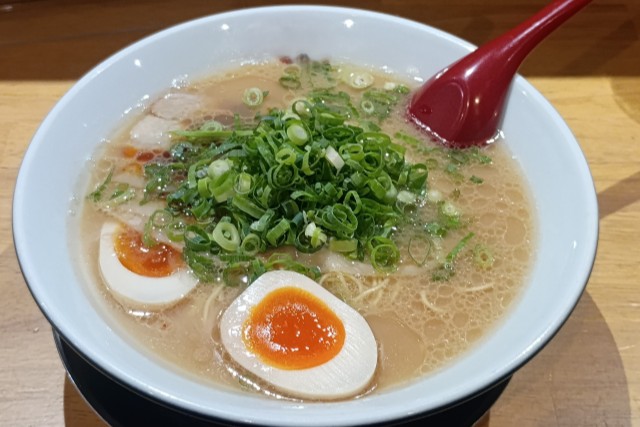
Hakata, now part of Fukuoka City, is famous for tonkotsu ramen served with thin, straight noodles. The soup is often rich and pale, and the toppings may include sliced pork, green onions, pickled ginger, or sesame. Some restaurants offer kaedama (替え玉), an extra serving of noodles added to the remaining soup. If you want kaedama, order it while you still have broth left.
Hakata shops may ask how firm you want your noodles. Options and terminology vary, but “firm” is a common choice for diners who want the noodles to keep their texture. There is no requirement to choose a particular firmness.
Kurume and Kumamoto styles
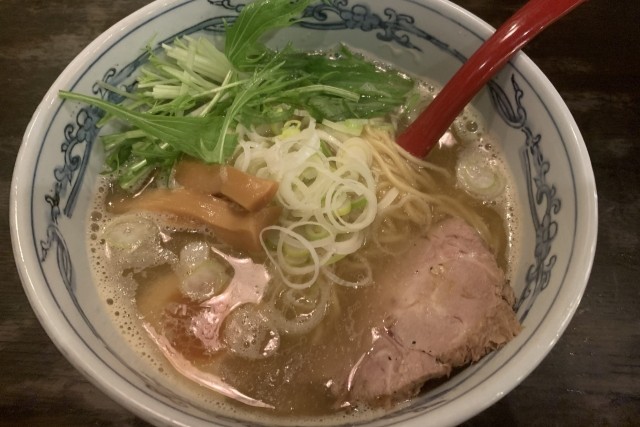
Kurume, also in Fukuoka Prefecture, has its own established tonkotsu tradition and is often credited as an important early center of pork-bone ramen. Its bowls can have a strong, full-bodied pork flavor.
Kumamoto ramen is another distinct Kyushu style. It commonly combines pork-bone broth with garlic, sometimes in the form of fried garlic or mayu (マー油), a dark roasted garlic oil. These additions give the soup a different aroma and flavor from a straightforward Hakata bowl.
Kagoshima ramen
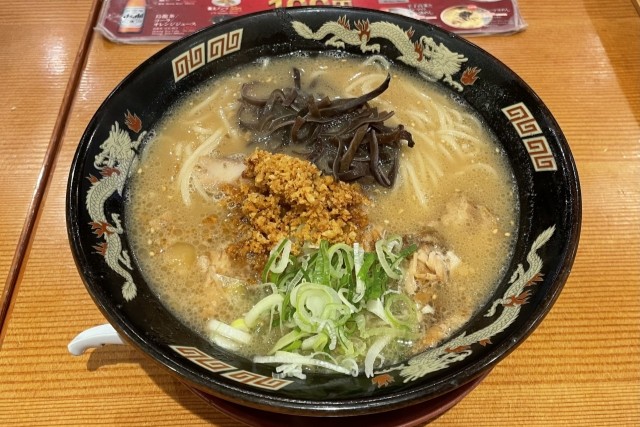
Kagoshima ramen does not have quite the same uniform profile as Hakata ramen. Many versions use a broth that combines pork with chicken, vegetables, or other ingredients, and the noodles may be thicker than Hakata’s fine strands. Because the style varies, it is best approached as a regional family of bowls rather than a strict recipe.
Soy-Seasoned Bowls Across Japan
Shoyu ramen appears in many parts of Japan, but local ingredients and cooking methods give it different character from place to place.
Tokyo-style shoyu ramen
Tokyo-style ramen is often described as a soy-seasoned soup with chicken and dashi—stock made from ingredients such as dried fish or kelp. It may be lighter in body than many tonkotsu or miso bowls, with thin or medium-width noodles. This is a broad description, not a standard that every Tokyo shop follows: the city has restaurants serving many regional styles as well as their own interpretations.
Kitakata ramen
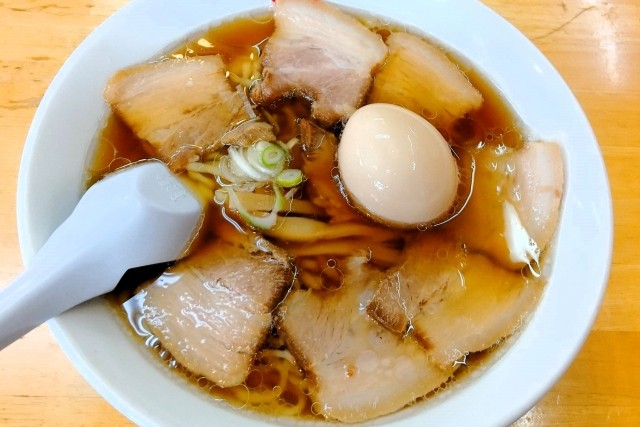
Kitakata, in Fukushima Prefecture, is known for soy-seasoned ramen served with broad, wavy noodles. The soup is often based on pork or chicken, and the bowl may be topped simply with sliced pork and green onions. The noodles’ width and springy texture help distinguish Kitakata ramen from the thinner noodles often found in Tokyo-style bowls.
The city is also associated with asa-ra (朝ラー), short for “morning ramen.” Some local shops serve ramen early in the day, but this custom should not be taken to mean that every resident eats ramen for breakfast.
Onomichi ramen
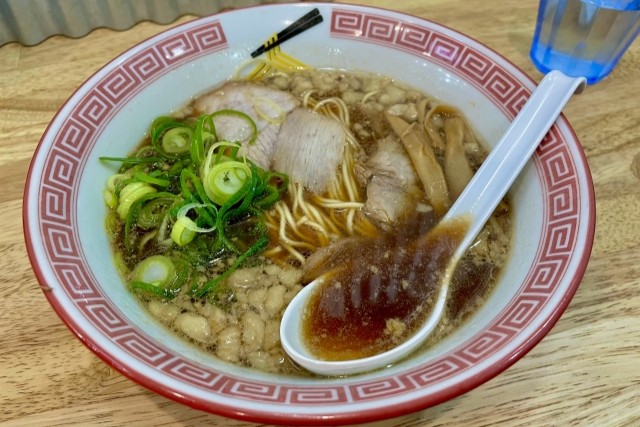
Onomichi ramen, from Hiroshima Prefecture, is commonly made with a soy-seasoned broth and small pieces of pork back fat floating on top. The soup may draw on chicken and seafood flavors, while the noodles are often flat and straight. The back fat adds richness without making the bowl identical to a creamy pork-bone soup.
Wakayama ramen
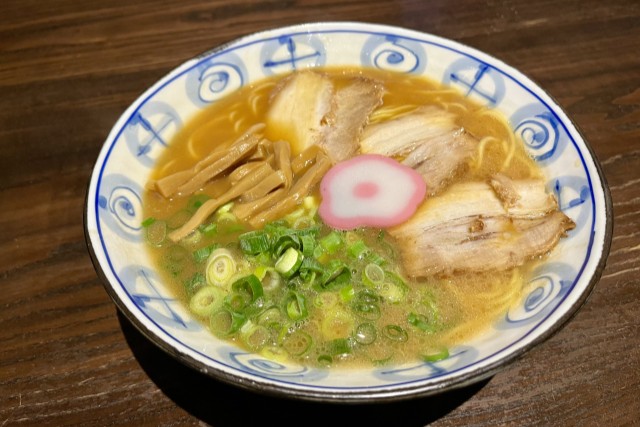
Wakayama ramen is often divided into two broad types: a soy-sauce-forward pork-bone soup and a clearer soy-seasoned soup. The richer style is especially well known, but the distinction is not absolute, and individual shops have their own recipes. If you see chuka soba (中華そば, literally “Chinese-style noodles”) on a menu in Wakayama, it may refer to local ramen rather than a different dish.
Other Regional Styles Worth Knowing
Yokohama Iekei ramen
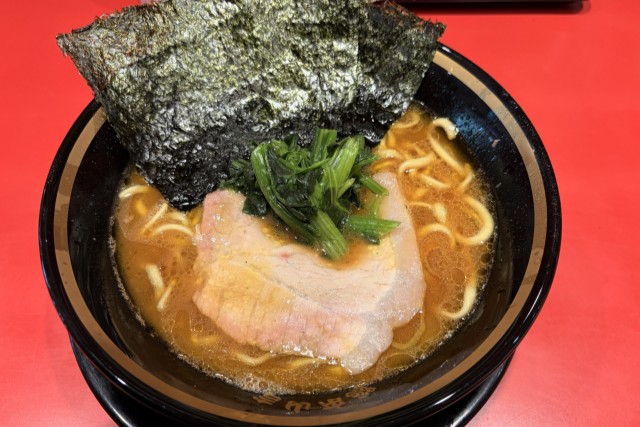
Iekei (家系) is a style that emerged in Yokohama and became popular beyond the city. Its name is commonly linked to ramen shop names ending in -ya, meaning “shop” or “house.” The soup typically combines pork and chicken with soy seasoning, and is served with thick noodles. Spinach and sheets of nori seaweed are familiar toppings.
Some Iekei restaurants let customers choose noodle firmness, soup richness, or the amount of oil. These options are not universal, so follow the shop’s ordering system if you are unsure.
Tsubame-Sanjo-kei ramen
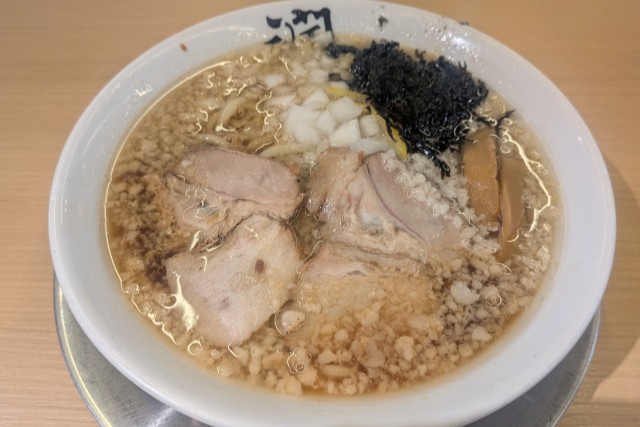
Tsubame-Sanjo-kei ramen, from Niigata Prefecture, is known for soy-seasoned soup topped with pork back fat and chopped onions. The broth is often served very hot, and the fat adds body. It developed in an industrial area where filling meals that stayed warm were useful for workers, although individual restaurants’ histories and recipes differ.
Tokushima ramen
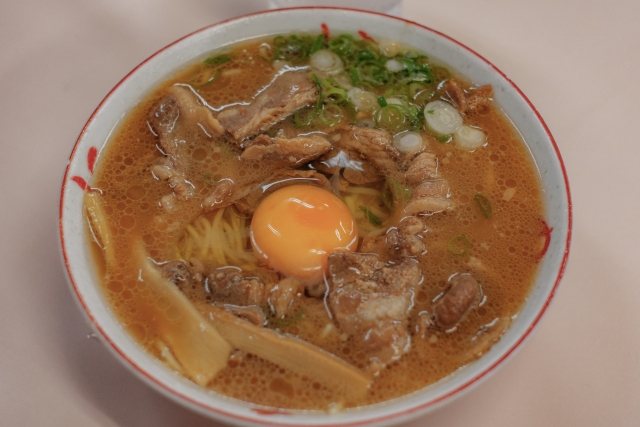
Tokushima ramen is often recognized by its dark, sweet-savory soy-seasoned pork broth. Thinly sliced pork cooked in a style similar to sukiyaki may be used instead of the more familiar chashu. Some shops offer a raw egg as a topping, but it is optional and not a feature of every bowl. Tokushima ramen has several local variations, so the name does not guarantee one exact combination.
Jiro-kei ramen: massive portions and bold flavors
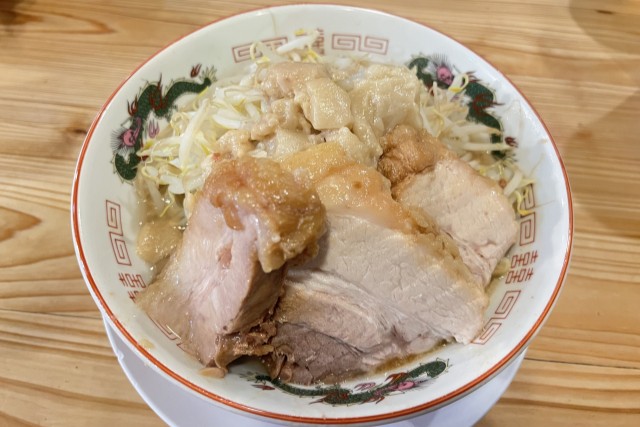
Jiro-kei (二郎系) is a distinctive ramen style that originated with Ramen Jiro, a shop founded in Tokyo in 1968. It is famous for exceptionally large portions, extra-thick noodles, and a rich pork-based soup seasoned with soy sauce. A typical bowl is piled high with bean sprouts, cabbage, thick slices of pork, garlic, and pork back fat.
Jiro-style ramen also has a unique ordering culture. At many shops, customers can request extra vegetables (yasai), garlic (ninniku), pork fat (abura), or stronger seasoning (karame). The ordering rules vary by restaurant, and even a small serving can be surprisingly filling.
Although the style began in Tokyo, it has spread across Japan through official Ramen Jiro branches and independent restaurants inspired by the original. These Jiro-inspired shops are often called Jiro-kei or Jiro-inspired ramen shops. Its enormous portions and distinctive customs have earned it an enthusiastic following among ramen fans.
Choosing a Style and Ordering with Confidence
If you prefer a light-tasting soup, consider a Hakodate-style shio ramen or a clear shoyu bowl. For rich, savory flavors, try Sapporo miso or tonkotsu. If noodle texture matters to you, Hakata’s thin strands and Kitakata’s broad, wavy noodles offer a noticeable contrast.
A few practical points can make ordering easier:
- Check the broth ingredients if you have dietary needs. Even a shio or shoyu bowl may contain pork, chicken, fish, or combinations of these. Vegetarian and vegan ramen is available at some restaurants, but do not assume a broth is meat-free because it looks clear.
- Look for options on the menu. A shop may ask you to choose noodle firmness or other preferences, but many restaurants simply serve a set bowl.
- Know that ramen terminology can be local. Chuka soba and ramen may refer to similar noodle dishes, and menu descriptions can reflect a shop’s own style.
- Use a ticket machine patiently. Some ramen shops use a vending machine at the entrance. If the menu is only in Japanese, photos or translation tools may help; staff may also be able to point out a popular option.
There is no single “correct” way to eat ramen. Slurping is common and can help cool hot noodles, but it is not a test of cultural knowledge. Focus on what you enjoy, and ask about ingredients when necessary.
Frequently Asked Questions
What is the most famous regional ramen in Japan?
Several styles are widely known, including Sapporo miso ramen, Hakata tonkotsu ramen, and Kitakata ramen. Which one is “most famous” depends on the context; each represents a different combination of seasoning, broth, and noodles.
Is tonkotsu ramen always very rich?
No. Tonkotsu means pork-bone broth, but the soup’s thickness and intensity vary by region and restaurant. Some bowls are especially creamy and full-bodied, while others are lighter or combine pork stock with other ingredients.
Are regional ramen styles strictly defined?
No. Regional names describe recognizable traditions, not recipes that every shop must follow. Restaurants adapt local styles, combine influences, and create their own versions.
Conclusion
Japanese regional ramen styles are best understood as local traditions rather than fixed categories. Sapporo’s miso bowls, Hakata’s pork-bone soup, Kitakata’s wavy noodles, and Onomichi’s soy-seasoned broth with back fat each show how seasoning, stock, noodles, and toppings can create very different meals. These styles also change from one restaurant to another, so a regional label is a helpful guide, not a guarantee. When choosing a bowl, think about the flavor and texture you want, and check ingredients if you have dietary restrictions. Trying ramen in different regions—or comparing several shops in one city—is a practical way to appreciate the variety behind Japan’s most familiar noodle dish.