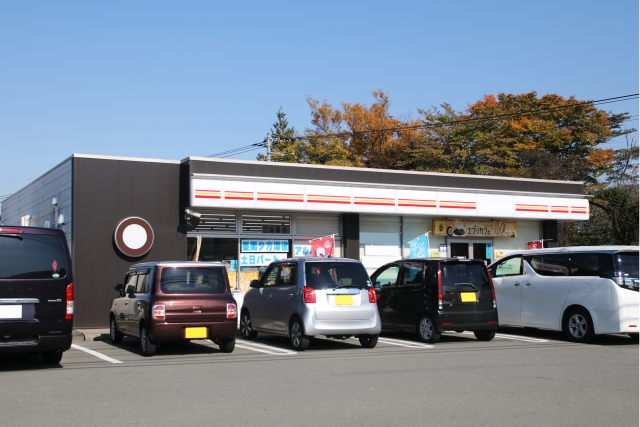
A Japanese convenience store, or konbini (コンビニ), can be much more than a place to buy drinks and snacks. Its shelves and refrigerated cases offer ready-to-eat meals, rice balls, sandwiches, noodles, hot snacks, desserts, and plenty of seasonal items. For travelers, a konbini is an easy way to try familiar Japanese flavors without planning a restaurant visit—and a useful stop for breakfast, a quick lunch, or a late-night bite.
This Japanese Convenience Store Food Guide explains what to look for, how common foods are served, and what to know when buying them. Menus vary by store, chain, region, and season, but a few basic terms and tips can make choosing a meal much easier.
What to Expect at a Japanese Convenience Store
Many konbini have a broad selection of packaged food, along with chilled and heated items. Large chains include 7-Eleven, FamilyMart, and Lawson, but the selection is not identical at every branch. A store in a business district may emphasize quick lunches, while a branch near a tourist area may stock different snacks or drinks.
Some stores operate around the clock, but hours can vary. Food sections also change throughout the year: limited-time products and seasonal flavors are common, and popular items may sell out.
You can usually eat packaged food cold, or ask staff to heat suitable items. Some stores have a microwave for customer use, but practices differ; if you are unsure, take your food to the register and ask. A phrase that can help is:
- 温めますか? (Atatamemasu ka?) — “Would you like it heated?”
- はい、お願いします (Hai, onegaishimasu) — “Yes, please.”
- いいえ、大丈夫です (Iie, daijōbu desu) — “No, that’s okay.”
Japanese Convenience Store Food to Try
Onigiri: Rice Balls for a Quick Meal
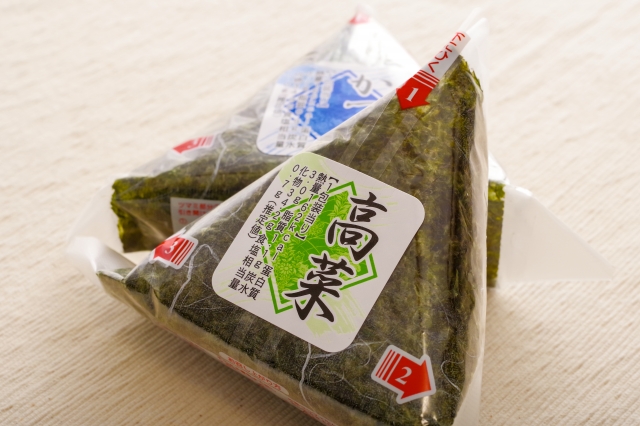
Onigiri (おにぎり), also called rice balls, are compact portions of rice shaped by hand or in a mold. They are among the easiest foods to carry and eat on the go. Common fillings include salted salmon (sake, 鮭), pickled plum (umeboshi, 梅干し), tuna mixed with mayonnaise, and seaweed simmered in soy-based seasoning.
Many individually wrapped onigiri have a clever package that keeps the crisp sheet of nori (海苔, dried seaweed) separate from the rice until opening. Follow the numbered directions printed on the wrapper: pull the tab, then slide the film away from the seaweed. The exact design can vary, so check the package rather than tugging at random.
If you are new to Japanese flavors, tuna mayonnaise or salmon may be approachable choices. Umeboshi is intensely sour and salty, so it may be a stronger first taste. Onigiri are often sold individually, making it easy to try one as a snack or combine two with soup or a side dish for a fuller meal.
Bento: Boxed Meals with Rice and Sides
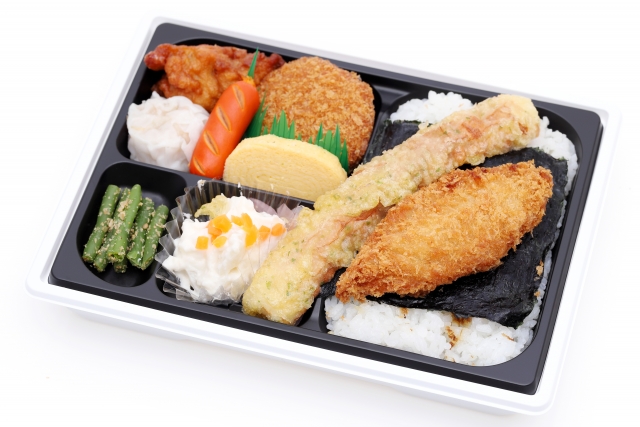
A bentō (弁当) is a boxed meal, often built around rice with a main dish and several sides. Convenience-store versions might include fried chicken, grilled fish, a hamburger-style patty, or pork cutlet, along with pickles, vegetables, or other small portions. Ingredients and layouts vary, so read the label if you have dietary restrictions.
Many bentō are intended to be heated. At checkout, staff may ask whether you want one warmed. Keep the lid and any attached packaging instructions in mind: not all containers or components are meant for every heating method. If the meal includes a separate sauce packet, check whether it should be removed before heating.
Sandwiches and Bread
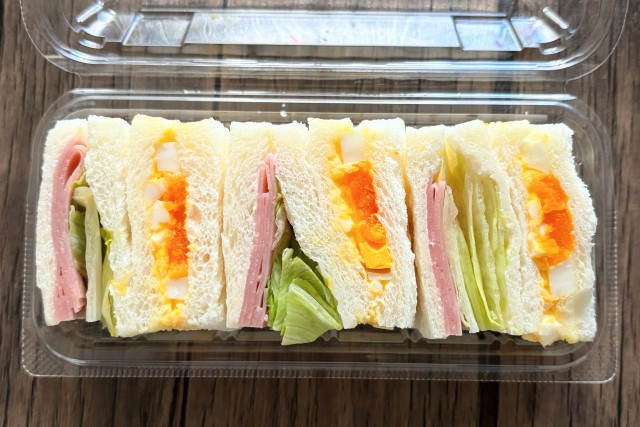
Convenience-store sandwiches are usually packaged in small portions and kept chilled. Familiar choices include egg salad, ham and lettuce, and katsu—breaded cutlet, often pork, with sauce. Some stores also sell fruit sandwiches filled with cream, though availability can be seasonal or limited to particular branches.
Packaged bread and pastries offer another quick option. Sweet buns may contain custard, red bean paste, or cream; savory choices can include curry bread or filled rolls. The word pan (パン) means bread in Japanese, and product names often describe the filling or flavor.
Noodles: Chilled, Hot, and Instant
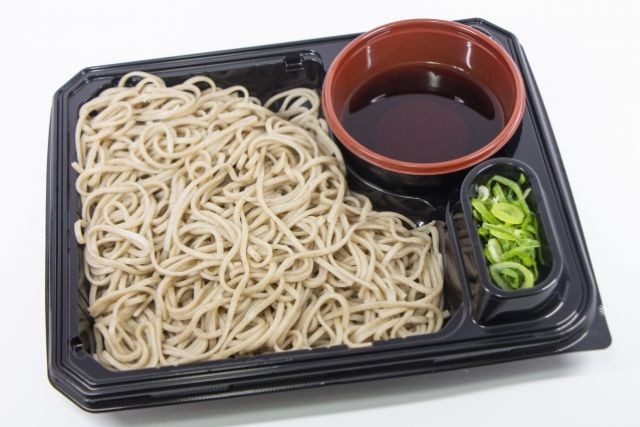
Konbini noodle options commonly include instant noodles, chilled noodles, and ready-to-heat meals. Depending on the store and season, you may find soba (そば, buckwheat noodles), udon (うどん, thick wheat noodles), or ramen-style dishes.
Chilled noodle meals often come with a separate sauce or dipping broth. Check the package for instructions before eating; a dressing or broth may be tucked under the lid or packed alongside the noodles. Instant noodles generally require hot water, and some stores have a hot-water dispenser near the eating area. Do not assume every location has one.
Broths and sauces can contain fish-based dashi (だし, Japanese soup stock), even when a dish appears to be vegetable-based. This matters if you avoid fish, meat, or animal products.
Hot Snacks and Seasonal Foods
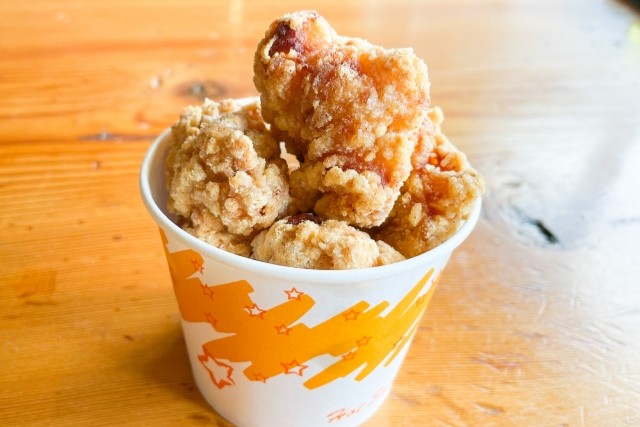
Some stores sell hot foods from a heated case near the register. Options may include fried chicken, croquettes, or other prepared snacks. Ask staff if you are unsure what an item is, or point to the label or display.
Another item you may see, especially during cooler periods, is oden (おでん): ingredients such as daikon radish, boiled eggs, and fish cakes simmered in broth. The contents vary, and the broth is usually part of the flavor. Oden is not necessarily vegetarian, since fish-based stock and fish cakes are common.
How to Choose and Buy Food
Read Labels for Ingredients and Allergens
Packaged-food labels can help identify the product, ingredients, allergens, storage instructions, and use-by information. Japanese rules require specified allergen information for certain ingredients, but travelers should not rely on appearance or a translated product name alone. Recipes and labels can change, and a short English description may not list every ingredient.
Useful words include:
- 原材料 (genzairyō) — ingredients
- アレルギー (arerugī) — allergy or allergen information
- 消費期限 (shōhi kigen) — use-by date
- 賞味期限 (shōmi kigen) — best-before date
If you have a serious allergy, carry a written explanation in Japanese and ask for help when needed. Be particularly cautious with sauces, broths, processed foods, and foods prepared with shared equipment. People avoiding meat or fish should also check for dashi, gelatin, and animal-based ingredients.
Ask for Heating, Chopsticks, or a Spoon
At checkout, a staff member may ask if you want an item warmed, and may offer utensils depending on the purchase and store. You can say:
- 箸をください (Hashi o kudasai) — “Chopsticks, please.”
- スプーンをください (Supūn o kudasai) — “A spoon, please.”
- 温めてください (Atatamete kudasai) — “Please heat it.”
You do not need to memorize these phrases. A polite request, a gesture, or pointing to the item is often enough to communicate what you need.
Check How to Open Packaged Food
Wrappers are not always intuitive, especially on onigiri and sauces. Look for numbered arrows or small diagrams and open the package slowly. For a chilled noodle set, confirm that you have found all the separate components before discarding the outer packaging. If you are eating in a store, use the designated seating area if one is available.
Practical Tips for Visitors
A convenient meal can be as simple as an onigiri, a small salad, and tea, or a bentō with a drink. If you want to sample several foods, buy a few small items rather than assuming one package will suit your appetite. Check whether a dish is served cold or intended to be heated, especially with noodles and boxed meals.
Many stores have bins, but sorting systems and available categories can differ. Follow the labels on the bins and avoid leaving packaging behind in public spaces. Some branches have limited seating or none at all; eating inside is not automatically possible just because the store sells ready-to-eat food.
Regional specialties and local product lines can make a store visit interesting, but availability is not guaranteed. Treat unfamiliar labels as an invitation to ask or use a translation tool, rather than assuming a product is the same everywhere.
Frequently Asked Questions
Is Japanese convenience-store food good for a full meal?
It can be. A bentō is often designed as a meal, while a couple of onigiri with a side dish or soup can also be filling. Portion sizes and appetites differ, so choose a combination that suits you.
Can vegetarians find suitable food?
Possibly, but it takes careful label checking. Fish-based dashi may appear in soups, sauces, noodles, and side dishes, and some foods that look vegetable-based may contain animal ingredients. Do not assume that “meat-free” means vegetarian.
Are convenience stores open 24 hours?
Some are, but not all. Hours vary by location, and service patterns can change. Check the specific branch if you need food late at night or early in the morning.
Conclusion
Japanese convenience stores offer a practical introduction to everyday food, from familiar sandwiches and sweets to onigiri, bentō, and regional or seasonal items. Start with a rice ball or sandwich if you want something simple, and try a boxed meal or noodles when you need a more substantial option. Check labels for ingredients and allergens, especially if you avoid fish, meat, or particular additives, and follow the package instructions when heating or opening food. With a few Japanese terms and a little curiosity, a konbini stop can be an easy, flexible part of your visit—not just a place to grab a drink.