Baseball is one of the most popular sports in Japan. From packed stadiums and passionate cheering sections to local rivalries and beloved team traditions, Japanese professional baseball offers an experience that is quite different from Major League Baseball (MLB) in the United States.
Japanese professional baseball, known as Nippon Professional Baseball (NPB), consists of 12 teams divided equally between two leagues: the Central League and the Pacific League. Each league has six teams, and every club has its own history, identity, and devoted fanbase.
In this guide, we’ll introduce all 12 NPB teams, explore their unique characteristics, and explain some of the cultural traditions that make Japanese baseball so fascinating.
Understanding Japanese Professional Baseball
Before exploring the teams, let’s take a quick look at how NPB works. It consists of two leagues: the Central League (セ・リーグ, Se League) and the Pacific League (パ・リーグ, Pa League). After the regular season, teams compete in the Climax Series playoffs, with the two league representatives advancing to the Japan Series to determine the national champion.
Unlike MLB, Japanese baseball teams often feature their corporate owners’ names, such as the Yomiuri Giants and Fukuoka SoftBank Hawks. However, teams also maintain strong regional identities and close connections with their hometown communities.
Japanese baseball is also famous for its lively stadium atmosphere. Organized cheering groups lead fans in songs, chants, and coordinated movements, often accompanied by drums and trumpets.
Even if you don’t understand Japanese, attending an NPB game offers an unforgettable cultural experience.
Central League: Six Teams with Rich Traditions
The Central League includes some of Japan’s oldest and most famous baseball clubs.
Yomiuri Giants (読売ジャイアンツ)
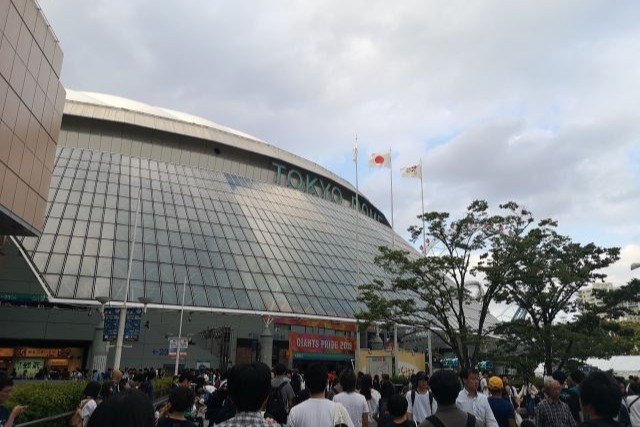
- Home Stadium: Tokyo Dome, Tokyo
- Common Names: Giants, Yomiuri, Kyojin
- Team Colors: Orange, Black, White
- Region: Tokyo
The Yomiuri Giants are arguably the most famous team in Japanese professional baseball.
Founded in 1934, the Giants played a central role in the development and popularization of professional baseball in Japan. Their history includes legendary figures such as Shigeo Nagashima and Sadaharu Oh, two of the most recognizable names in Japanese baseball.
The Giants have won more Japan Series championships than any other NPB team, making them a symbol of the sport’s traditional establishment.
Their popularity also makes them a natural target for rival fans. In Japan, supporting the Giants—or strongly disliking them—can be part of a baseball fan’s identity.
The team plays at Tokyo Dome, an indoor stadium in central Tokyo that is convenient for international visitors.
What makes them special: Their enormous historical influence, famous former players, and long-standing rivalries.
Hanshin Tigers (阪神タイガース)
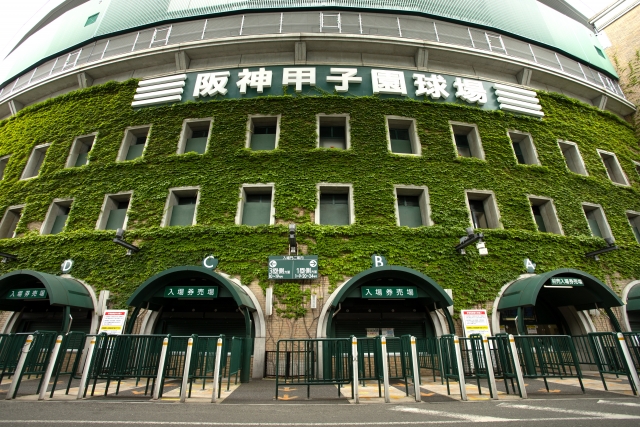
- Home Stadium: Hanshin Koshien Stadium, Hyogo Prefecture
- Common Names: Tigers, Hanshin
- Team Colors: Yellow, Black
- Region: Kansai
If the Giants represent the traditional power of Japanese baseball, the Hanshin Tigers represent its passionate, emotional side.
The Tigers are especially popular throughout the Kansai region, including Osaka, Kobe, and the surrounding areas.
Their home ground, Hanshin Koshien Stadium, is one of Japan’s most iconic baseball venues. Opened in 1924, it is also famous for hosting Japan’s prestigious national high school baseball tournaments.
Tigers supporters are known for their energetic cheering and deep emotional attachment to the team. Their famous fight song, “Rokko Oroshi,” is an essential part of the stadium experience.
The rivalry between the Tigers and the Yomiuri Giants is one of the most celebrated in Japanese sports.
For many Kansai residents, supporting Hanshin is about more than baseball. It is also an expression of regional pride.
What makes them special: Extraordinary fan enthusiasm, a historic stadium, and a fierce rivalry with the Giants.
Chunichi Dragons (中日ドラゴンズ)
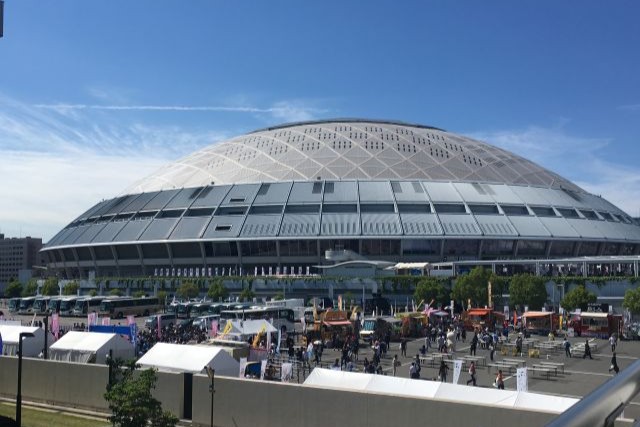
- Home Stadium: Vantelin Dome Nagoya, Aichi Prefecture
- Common Names: Dragons, Chunichi
- Team Color: Blue
- Region: Nagoya and the Chubu region
The Chunichi Dragons represent Nagoya, one of Japan’s largest cities and an important industrial center.
The team has a long history and enjoys strong regional support. Unlike clubs that receive extensive national media attention, the Dragons are particularly associated with their local community.
During the managerial tenure of Hiromitsu Ochiai from 2004 to 2011, the Dragons became known for disciplined baseball, strong pitching, and consistent competitiveness.
That era culminated in a Japan Series championship in 2007.
Their home stadium, Vantelin Dome Nagoya, provides a comfortable indoor environment for spectators regardless of the weather.
For visitors interested in experiencing baseball outside Tokyo or Osaka, a Dragons game offers an opportunity to explore Nagoya’s local sports culture.
What makes them special: Strong regional identity, a history of disciplined baseball, and loyal local supporters.
Yokohama DeNA BayStars (横浜DeNAベイスターズ)
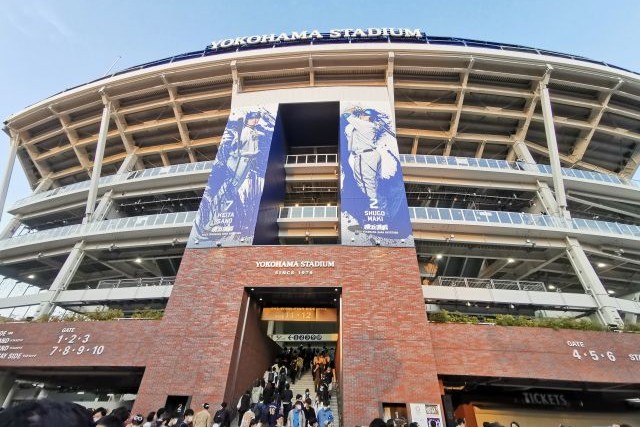
- Home Stadium: Yokohama Stadium, Kanagawa Prefecture
- Common Names: BayStars, DeNA
- Team Colors: Blue, White
- Region: Yokohama
The Yokohama DeNA BayStars are closely connected to the vibrant port city of Yokohama.
The team entered a new era in 2012 when DeNA took over ownership. Since then, the organization has emphasized fan engagement, entertainment, and creating an enjoyable ballpark experience.
Yokohama Stadium is located near the city’s famous Chinatown and waterfront attractions, making it particularly appealing to tourists.
The BayStars have also experienced major competitive success, including winning the Japan Series in 2024.
Their blue team colors are a familiar sight around central Yokohama, where local businesses and supporters proudly display their loyalty.
A BayStars game is an excellent choice for visitors who want to combine sightseeing with a Japanese baseball experience.
What makes them special: A lively urban setting, strong local identity, and an entertaining stadium atmosphere.
Hiroshima Toyo Carp (広島東洋カープ)
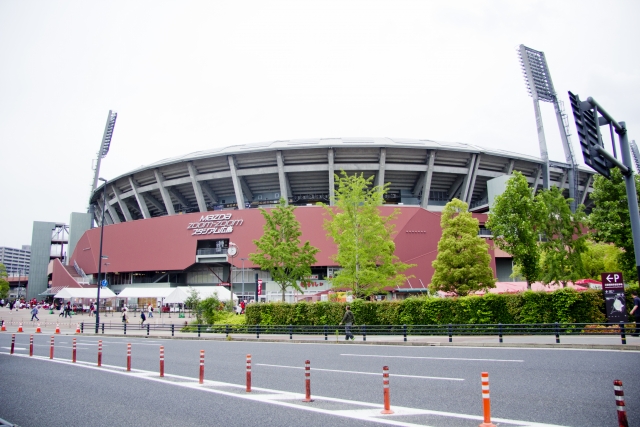
- Home Stadium: Mazda Zoom-Zoom Stadium Hiroshima, Hiroshima Prefecture
- Common Name: Carp
- Team Color: Red
- Region: Hiroshima
The Hiroshima Toyo Carp have one of the most distinctive histories in Japanese professional baseball.
Established in 1949, the club emerged during Hiroshima’s postwar recovery. Unlike many Japanese teams, which were founded or supported by major corporations, the Carp developed strong ties to local citizens and businesses.
This background helped establish the team’s image as a symbol of Hiroshima’s resilience and community spirit.
Even today, the relationship between the Carp and their supporters is exceptionally strong.
On game days, Hiroshima becomes a sea of red as fans wear team jerseys, wave towels, and gather around the stadium.
The Carp’s home, Mazda Zoom-Zoom Stadium Hiroshima, is an open-air ballpark known for its welcoming atmosphere and variety of seating areas.
What makes them special: Their connection to Hiroshima’s postwar history and an unusually strong sense of community ownership.
Tokyo Yakult Swallows (東京ヤクルトスワローズ)
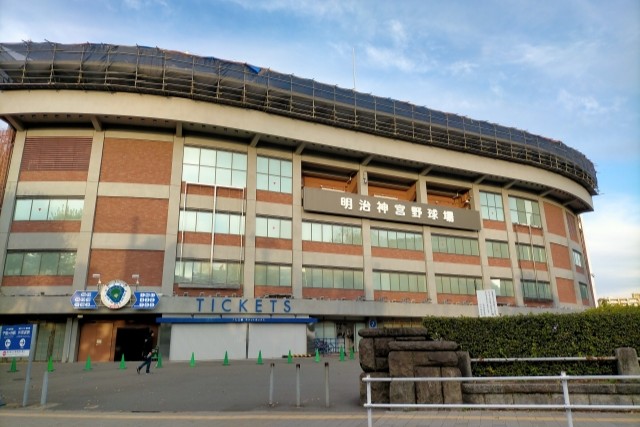
- Home Stadium: Meiji Jingu Stadium, Tokyo
- Common Names: Swallows, Yakult
- Team Colors: Navy Blue, Green
- Region: Tokyo
The Tokyo Yakult Swallows offer a different baseball experience from their Tokyo rivals, the Yomiuri Giants.
Their home, Meiji Jingu Stadium, is an outdoor ballpark located in central Tokyo. Its open-air atmosphere makes summer evening games particularly enjoyable.
One of the Swallows’ most famous traditions is the umbrella dance.
When the team scores, supporters raise small colorful umbrellas and move them together while singing a cheering song. The sight of thousands of umbrellas moving in unison is one of the most memorable scenes in Japanese baseball.
The Swallows have enjoyed several successful periods, including Central League championships in 2021 and 2022.
Their combination of traditional baseball culture and playful fan participation makes them especially appealing to first-time spectators.
What makes them special: The umbrella dance, a relaxed outdoor stadium, and a distinctive Tokyo baseball culture.
Pacific League: Six Teams with Unique Personalities
The Pacific League is home to clubs with strong regional identities, innovative fan experiences, and some of Japan’s most memorable baseball stories.
Orix Buffaloes (オリックス・バファローズ)
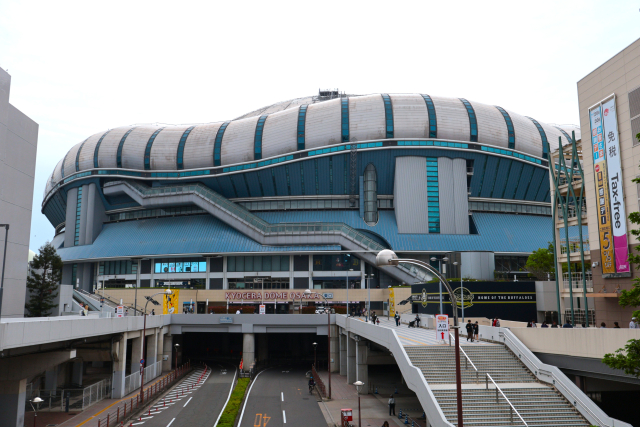
- Main Home Stadium: Kyocera Dome Osaka, Osaka Prefecture
- Additional Venue: Hotto Motto Field Kobe, Hyogo Prefecture
- Common Names: Buffaloes, Orix
- Team Colors: Navy Blue, Gold
- Region: Osaka and Kobe
The Orix Buffaloes represent the Kansai region, particularly Osaka and Kobe.
The current club took shape in 2005 through the merger of the Orix BlueWave and the Osaka Kintetsu Buffaloes.
The team’s history is also connected to one of Japan’s most internationally famous baseball players: Ichiro Suzuki, who starred for the Orix BlueWave before moving to MLB.
More recently, the Buffaloes enjoyed a period of major success, winning three consecutive Pacific League titles from 2021 to 2023 and the Japan Series in 2022.
Star pitcher Yoshinobu Yamamoto was central to that successful era before moving to MLB after the 2023 season.
Although the Buffaloes share the broader Kansai market with the extremely popular Hanshin Tigers, they maintain a dedicated fanbase and a distinct identity.
What makes them special: Connections to Ichiro and Yoshinobu Yamamoto, a merger history, and recent championship success.
Chiba Lotte Marines (千葉ロッテマリーンズ)
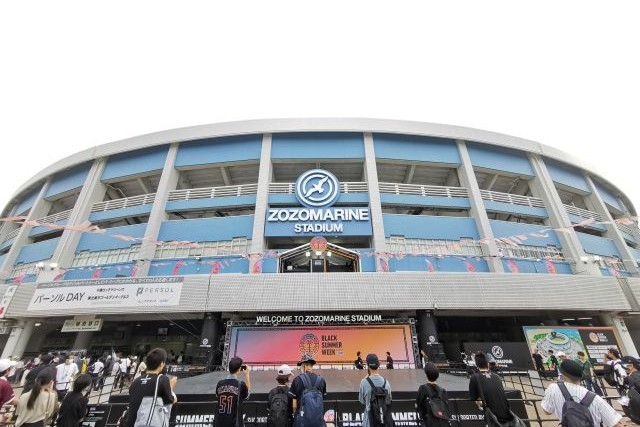
- Home Stadium: ZOZO Marine Stadium, Chiba Prefecture
- Common Names: Marines, Lotte
- Team Colors: Black, White
- Region: Chiba
The Chiba Lotte Marines are particularly famous for their supporters.
Their fans have developed an energetic cheering culture featuring coordinated chants, clapping, and jumping. The atmosphere can feel closer to a soccer match than a typical baseball game.
The Marines’ home stadium is located near Tokyo Bay, where coastal winds can sometimes affect play.
The team moved to Chiba in 1992 and has since built a strong relationship with the surrounding community.
One of its most memorable achievements came in 2005, when the Marines won the Japan Series under manager Bobby Valentine.
For international visitors who want to experience the intensity of organized Japanese baseball cheering, a Marines game is an excellent choice.
What makes them special: One of NPB’s most recognizable cheering cultures and a seaside ballpark atmosphere.
Fukuoka SoftBank Hawks (福岡ソフトバンクホークス)
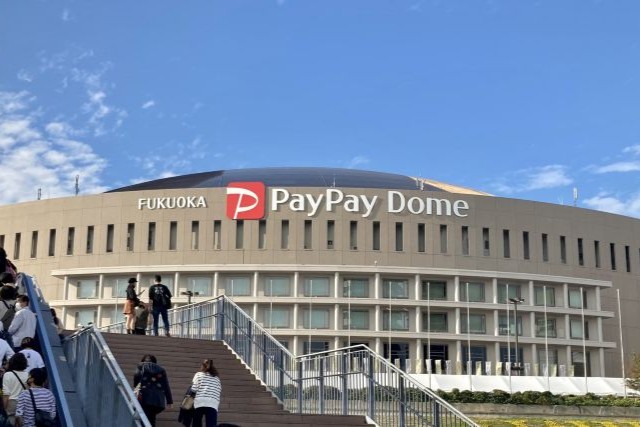
- Home Stadium: Mizuho PayPay Dome Fukuoka, Fukuoka Prefecture
- Common Names: Hawks, SoftBank
- Team Colors: Yellow, Black
- Region: Fukuoka and Kyushu
The Fukuoka SoftBank Hawks are among the most successful Japanese baseball teams of the modern era.
Based in Fukuoka, the largest city on the island of Kyushu, the Hawks enjoy strong support across the region.
The team has established a reputation for competitive strength, player development, and professional organization.
Between 2017 and 2020, the Hawks won four consecutive Japan Series championships, demonstrating their dominance during that period.
Their home stadium, Mizuho PayPay Dome Fukuoka, is also known for its entertainment-focused atmosphere.
For visitors to Kyushu, watching a Hawks game is a great way to experience the region’s sports culture.
What makes them special: Modern championship success, strong regional support, and a large indoor ballpark.
Saitama Seibu Lions (埼玉西武ライオンズ)
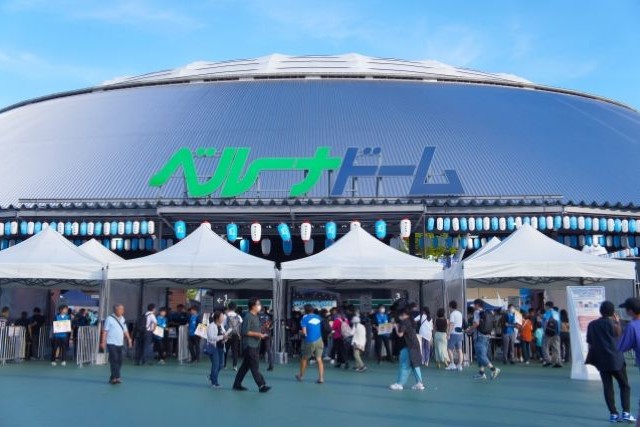
- Home Stadium: Belluna Dome, Saitama Prefecture
- Common Names: Lions, Seibu
- Team Color: Blue
- Region: Saitama
The Saitama Seibu Lions were one of the dominant forces in Japanese baseball during the 1980s and early 1990s.
Their celebrated golden era featured numerous league titles and Japan Series victories, establishing the Lions as one of NPB’s great historical powerhouses.
The team has also produced many talented players who later became important figures in Japanese baseball.
Belluna Dome, located in Tokorozawa, Saitama Prefecture, is particularly unusual.
Although the stadium has a roof, its sides are largely open to the outside air. This creates an atmosphere that combines elements of indoor and outdoor baseball.
The Lions’ location also makes them accessible to visitors staying in the greater Tokyo area.
What makes them special: A famous championship dynasty and one of Japan’s most unusual stadium designs.
Tohoku Rakuten Golden Eagles (東北楽天ゴールデンイーグルス)
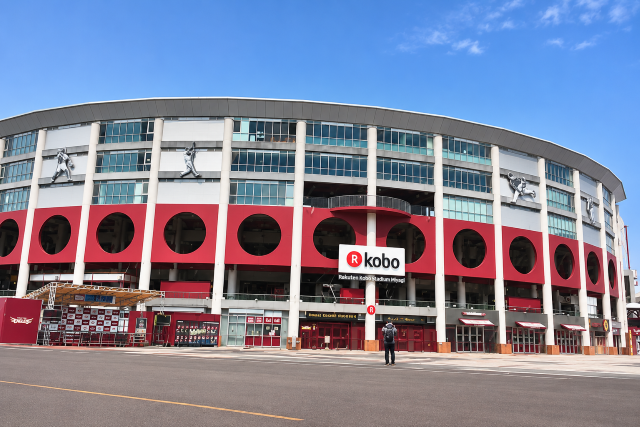
- Home Stadium: Rakuten Mobile Saikyo Park Miyagi, Miyagi Prefecture
- Common Names: Eagles, Rakuten
- Team Colors: Crimson, Gold
- Region: Sendai and the Tohoku region
The Tohoku Rakuten Golden Eagles are one of NPB’s youngest franchises, having begun play in 2005.
Based in Sendai, the team represents the broader Tohoku region of northeastern Japan.
The Eagles hold a particularly meaningful place in Japanese baseball history because of their 2013 Japan Series championship.
That victory came just two years after the devastating Great East Japan Earthquake and tsunami of 2011, which severely affected the Tohoku region.
For many supporters, the championship became a powerful symbol of hope and recovery.
Pitcher Masahiro Tanaka played a central role in the team’s success that season.
The Eagles continue to maintain strong connections with communities throughout Tohoku.
What makes them special: Their emotional 2013 championship and deep connection to the Tohoku region.
Hokkaido Nippon-Ham Fighters (北海道日本ハムファイターズ)
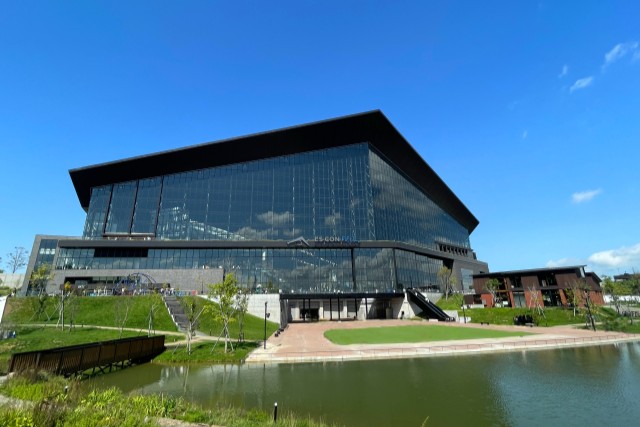
- Home Stadium: ES CON FIELD HOKKAIDO, Hokkaido
- Common Names: Fighters, Nippon-Ham
- Team Colors: Blue, White
- Region: Hokkaido
The Hokkaido Nippon-Ham Fighters are best known internationally as the former Japanese team of Shohei Ohtani.
Ohtani developed his extraordinary two-way abilities with the Fighters before moving to MLB, making the club an important part of his baseball story.
The Fighters relocated from Tokyo to Hokkaido in 2004 and have since developed a strong regional identity.
In 2023, they opened ES CON FIELD HOKKAIDO, a modern ballpark in Kitahiroshima, near Sapporo.
The stadium is part of a larger entertainment and leisure development called Hokkaido Ballpark F Village.
With restaurants, shopping, and other attractions, the venue is designed to appeal to visitors beyond traditional baseball fans.
For travelers exploring Hokkaido, a Fighters game offers an opportunity to experience a modern Japanese ballpark.
What makes them special: Their connection to Shohei Ohtani and a new generation of stadium entertainment.
What Makes Watching Baseball in Japan Different?
Now that we’ve introduced all 12 teams, let’s look at a few traditions that make Japanese baseball special.
Organized Cheering and Team Songs
One of the biggest differences between Japanese baseball and MLB is the style of fan participation.
At many NPB games, organized cheering groups lead spectators in rhythmic chants and songs.
Individual players may have their own cheering songs, which supporters sing when they come to bat.
Depending on the stadium and seating area, you may hear trumpets, drums, and thousands of fans chanting together.
The result is a highly coordinated atmosphere that can be surprising to visitors accustomed to American baseball.
Regional Pride and Local Rivalries
Japanese baseball teams are closely connected to their home regions.
The Hanshin Tigers are a major symbol of Kansai identity, while the Hiroshima Carp are deeply embedded in the local community.
Similarly, the Rakuten Golden Eagles represent Tohoku, and the Nippon-Ham Fighters have helped strengthen Hokkaido’s baseball culture.
These connections make baseball a useful window into Japan’s regional differences.
Food and Entertainment at the Ballpark
Japanese baseball stadiums offer much more than the game itself.
Visitors can enjoy a wide range of food, including bento boxes, fried chicken, curry, noodles, and stadium-exclusive snacks.
Some teams sell meals inspired by particular players.
Mascot performances, music, and special events are also common features of the game-day experience.
You don’t need to understand every baseball rule to enjoy an afternoon or evening at an NPB stadium.
FAQ: Japanese Professional Baseball
How many professional baseball teams are there in Japan?
Nippon Professional Baseball (NPB) has 12 teams. Six belong to the Central League, and six belong to the Pacific League.
Japan also has independent professional leagues and other levels of competitive baseball outside NPB.
Is Japanese baseball different from American baseball?
The basic rules are very similar, but there are differences in league regulations, season structure, and stadium culture.
One of the most noticeable differences for spectators is Japan’s organized cheering tradition, which includes coordinated songs and chants.
Can tourists attend Japanese professional baseball games?
Yes! International visitors can attend NPB games, and watching baseball is a great way to experience Japanese sports culture.
Ticket availability and purchasing methods vary by team. Popular games, especially major rivalry matchups, may sell out in advance.
Check the relevant team’s official website for the latest schedules and ticket information.
Conclusion
Japan’s 12 professional baseball teams offer much more than exciting competition. Each club has its own history, regional identity, fan traditions, and cultural significance.
Whether you’re a lifelong baseball fan or simply curious about everyday Japanese culture, attending a game can help you discover a side of Japan that ordinary sightseeing might miss.
So, which team will you cheer for?