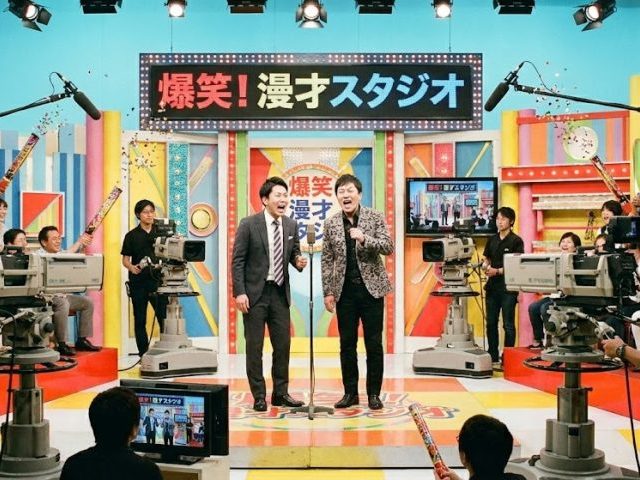
When you think of Japanese entertainment, you might picture anime, J-Pop, or traditional arts. But if you want to understand modern Japanese culture, you need to know about Owarai Geinin (お笑い芸人), or Japanese comedians. They are not just performers; they are a central part of media, pop culture, and daily life in Japan.
What is “Owarai”?
The word “Owarai” literally means “laughter.” It’s a broad term for Japanese comedy, which comes in many forms. While some humor is universal, much of it is deeply rooted in Japanese culture, language, and social dynamics. To “get” Japanese comedy is to get a glimpse into the Japanese way of thinking.
The Different Styles of Owarai
Japanese comedy isn’t a one-size-fits-all form. There are several key styles that have shaped the industry.
- Manzai (漫才): This is perhaps the most iconic form of Japanese comedy. It’s a stand-up routine performed by a duo: the Tsukkomi (ツッコミ) and the Boke (ボケ).
- Boke: This is the “funny man” who says or does foolish things, creating a ridiculous situation.
- Tsukkomi: This is the “straight man” who points out the Boke’s absurdity, often with a witty line or a light slap on the head. The humor comes from the Tsukkomi’s quick, sharp reaction to the Boke’s nonsense.
- Conte (コント): This is a short, narrative sketch comedy. It can be performed by one person, a duo, or a larger group, and it relies on acting out a funny scenario. The humor often comes from relatable situations or absurd twists.
- Hitori Conte (一人コント): A solo sketch routine, where a single comedian plays multiple roles or acts out a bizarre situation.
More Than Just Stand-Up: The Role of a “Geinin”
In Japan, comedians aren’t confined to comedy clubs. They are omnipresent in the media.
- TV Show Hosts: Many of Japan’s most popular TV shows, especially variety shows (known as “Variety Bangumi”), are hosted by famous comedians. Their quick wit and ability to manage a conversation make them perfect for the role.
- Actors and Singers: It’s common for comedians to transition into acting or even music. Their stage presence and improvisation skills make them versatile performers.
- Cultural Figures: The most successful comedians are not just entertainers; they are cultural commentators and trendsetters. Their jokes often reflect on current events, social trends, and everyday life, giving audiences a shared sense of humor and perspective.
The Strict Hierarchy and Training
Becoming a professional comedian in Japan is not easy. Many start by joining a comedy agency like Yoshimoto Kogyo, which is known for its rigorous training schools. Young comedians, known as “Owarai Geinin (お笑い芸人)” (literally “comedy artist”), are often placed in a strict seniority system and have to work their way up from the bottom. This disciplined environment is said to be a key factor in producing highly polished performers.
Why Are Comedians So Important in Japan?
The humor created by Owarai Geinin often serves as a form of social release. In a society that values politeness and conformity, comedy provides a space to laugh at absurdity, challenge norms (in a lighthearted way), and connect with others. The ability to laugh at shared experiences, whether it’s a ridiculous TV challenge or a joke about social awkwardness, builds a sense of community.
So, the next time you watch a Japanese variety show, pay close attention to the hosts and guests. You might be watching not just a comedian, but a master of social observation and a key figure in modern Japanese culture.


コメント